
Saigon Coffee Culture 2026: 15 Must-Experience Coffee Trends Transforming Vietnam’s Bustling Café Scene
Discover how Vietnam’s vibrant coffee capital continues to redefine global coffee culture with innovative brews, architectural marvels, and cultural experiences unique to Saigon in 2026.
4-Day Ho Chi Minh & Mekong Delta River Tour
🚤 Ho Chi Minh City – Mekong Delta 4-Day Tour

| 🚍 Departure: | Ho Chi Minh City (daily departures) |
| 🛶 Route: | Ho Chi Minh → My Tho → Ben Tre → Can Tho → Chau Doc → Tan Chau → Ho Chi Minh |
| ⏳ Duration: | 4 Days / 3 Nights |
| 🎒 Style: | Culture, river cruises, floating markets & village tours |
| 💵 Price: | From ~$150/person |
| 📞 Contact: | +84 978 358 422 | +84 962 261 687 | |
10-Day Vietnam Tour – North to South
🌏 10-Day Vietnam Tour – North to South

| 🗺️ Route: | Ho Chi Minh City → Mekong Delta → Da Nang → Hoi An → Hanoi → Halong Bay → Tam Coc |
| ⏳ Duration: | 10 Days / 9 Nights |
| 🎒 Highlights: | Cultural sites, Halong Bay cruise, ancient towns, floating markets, nature & history |
| 💵 Price: | From ~$700/person |
| 📅 Departure: | Daily departures available (North → South or South → North) |
| 📞 Contact: | +84 978 358 422 | +84 962 261 687 | |
Vietnam 11-Day Tour – Ultimate North to South Journey
🇻🇳 Vietnam 11-Day Tour – North to South

| 🗺️ Route: | Hanoi → Halong Bay → Ninh Binh → Hoi An → Da Nang → Ho Chi Minh City → Mekong Delta |
| ⏳ Duration: | 11 Days / 10 Nights |
| 🎒 Highlights: | UNESCO sites, Halong Bay cruise, ancient towns, river life, culture & cuisine |
| 🏨 Accommodation: | Hand-picked 4★–5★ hotels & luxury cruise |
| 💵 Price: | From ~$820/person |
| 📞 Contact: | +84 978 358 422 | +84 962 261 687 | |
Vietnam 9-Day Itinerary – North to South Highlights
🇻🇳 Vietnam 9-Day Tour – Classic Highlights

| 🗺️ Route: | Hanoi → Halong Bay → Hoi An → Ho Chi Minh City → Mekong Delta |
| ⏳ Duration: | 9 Days / 8 Nights |
| 🎒 Highlights: | Hanoi Old Quarter, Halong Bay cruise, Hoi An UNESCO town, Cu Chi Tunnels, Mekong Delta boat ride |
| 💵 Price: | From ~$600/person |
| 📅 Departure: | Daily departures available |
| 📞 Contact: | +84 978 358 422 | +84 962 261 687 | |
The Evolution of Vietnamese Coffee: From Colonial Roots to Global Phenomenon
Vietnam’s journey as a coffee powerhouse began in 1857 when French colonists introduced coffee cultivation to the fertile highlands. What started as a modest colonial crop has transformed Vietnam into the world’s second-largest coffee producer, exporting an impressive 1.94 million metric tons in 2025 according to the Vietnam Coffee-Cocoa Association (VICOFA).
The heart of this caffeinated empire beats strongest in Saigon (Ho Chi Minh City), where coffee culture transcends mere consumption to become a defining lifestyle element. Unlike the grab-and-go coffee culture prevalent in Western countries, Saigon’s approach to coffee emphasizes community, conversation, and contemplation.
The Phin Filter Revolution: Traditional Brewing in Modern Times
The iconic Vietnamese phin filter—a simple yet ingenious stainless steel brewing device—remains the cornerstone of authentic Vietnamese coffee preparation. This slow-drip method produces a distinctly robust, aromatic cup that stands in stark contrast to the quick espresso shots of European traditions.
In 2026, traditional phin brewing has seen a renaissance among younger Vietnamese, with 78% of Saigonese between ages 18-35 owning a personal phin filter, according to Coffee Lifestyle Vietnam’s annual survey. This represents a 23% increase from 2023 figures, indicating a strong return to cultural roots even as international coffee chains expand throughout the city.
Pro tip: When visiting Saigon, take time to observe the ritualistic preparation of phin coffee—the careful measuring of grounds, gentle tamping, and patient waiting as each aromatic drop falls into the cup below. This mindful process reflects the unhurried philosophy at the heart of Vietnamese coffee culture.
Saigon’s Coffee District: Navigating the City’s Most Iconic Café Streets
Saigon’s coffee landscape extends throughout the city, but certain districts have emerged as definitive coffee hubs where both quality and experience reach exceptional heights.
District 1: The Historic Coffee Quarter
The central business district hosts both heritage coffee institutions and cutting-edge specialty cafés. Notable streets include:
- Nguyen Hue Walking Street: Spanning 670 meters with a width of 64 meters, this pedestrian boulevard houses numerous rooftop coffee venues offering panoramic views of the 13-million-person metropolis.
- Ly Tu Trong Street: Home to the 95-year-old Café Cheo Leo, which still serves coffee the same way it did in 1938, using the original family recipe for roasting robusta beans.
- Dong Khoi Street: Where French colonial architecture houses premium cafés with pricing averaging 120,000-150,000 VND ($4.80-$6.00) per specialty drink.
District 3: The Artistic Coffee Enclave
With its tree-lined streets and French villas, District 3 has become the epicenter for creative coffee concepts. The 2.7-kilometer stretch of Nguyen Thi Minh Khai Street alone contains 26 independent cafés, most featuring work from local artists and designers.
The atmospheric alleyways off Tran Huy Lieu Street have transformed into a “Coffee Maze” where visitors can wander through interconnected courtyards discovering hidden coffee gems, many housed in buildings dating back to the 1960s.
15 Revolutionary Vietnamese Coffee Variations to Try in 2026
Beyond the classic cà phê sữa đá (iced coffee with condensed milk), Saigon’s innovative baristas have developed numerous variations that showcase both tradition and boundary-pushing creativity.
Traditional Vietnamese Coffee Classics
- Cà Phê Đen Đá (Iced Black Coffee): The purist’s choice, allowing the full intensity of Vietnamese robusta to shine through. Contains approximately 175mg of caffeine per serving—nearly double that of a standard espresso shot.
- Cà Phê Sữa Nóng (Hot Milk Coffee): The winter favorite, served at precisely 70°C to balance the caramelization of condensed milk with coffee’s bitter notes.
- Bạc Xỉu (White Coffee): A milder option with a 1:3 ratio of coffee to condensed milk, perfect for those new to Vietnamese coffee’s intensity.
Contemporary Vietnamese Innovations
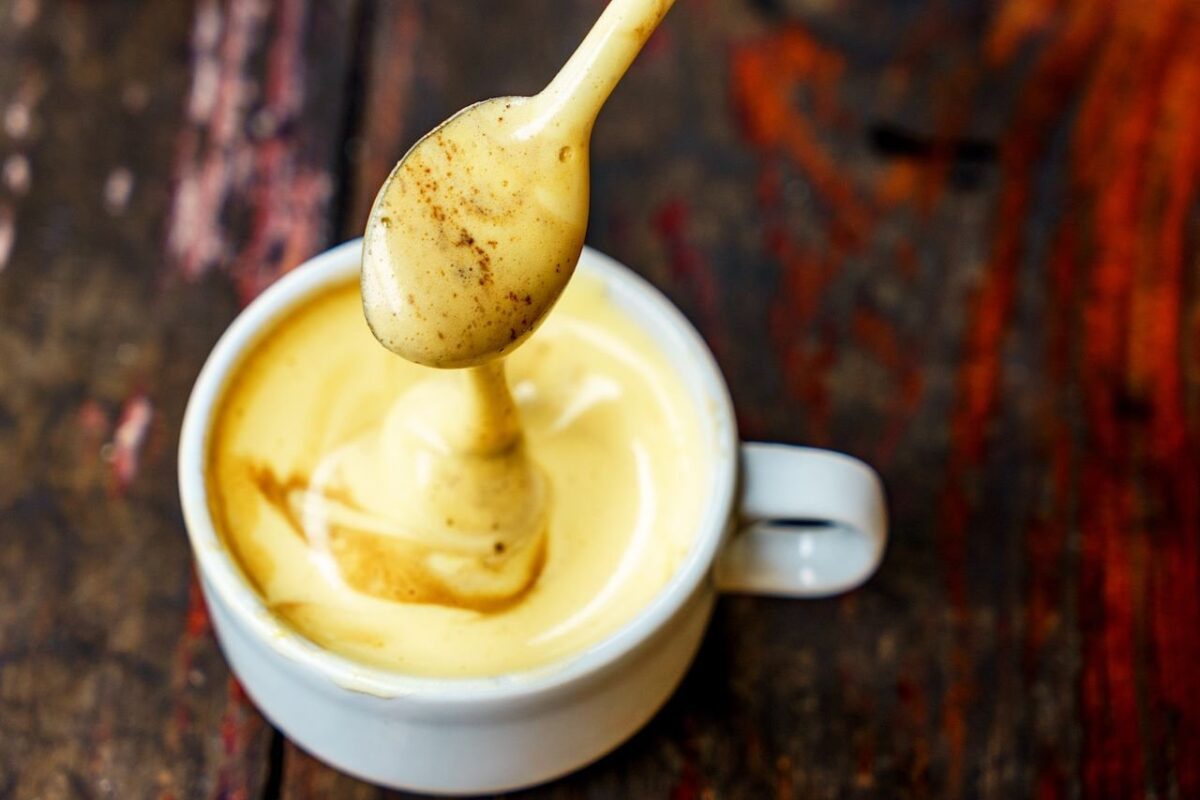
- Cà Phê Trứng (Egg Coffee): Originating in Hanoi but perfected in Saigon with a custard-like texture, this specialty contains whipped egg yolks, sugar, and condensed milk floating atop strong black coffee. In 2026, baristas have introduced variations using duck eggs for richer flavor profiles.
- Cà Phê Muối (Salted Coffee): A central Vietnamese creation gaining popularity in Saigon, featuring a delicate salted cream that enhances coffee’s natural sweetness. The salt content (typically 0.5g per serving) activates different taste receptors while reducing perceived bitterness.
- Cà Phê Sữa Chua (Yogurt Coffee): A refreshing combination of tangy yogurt and bitter coffee that balances pH levels for easier digestion.
2026’s Trending Coffee Creations
- Sinh Tố Cà Phê (Coffee Smoothies): Blended with tropical fruits like dragon fruit, papaya, or mango, these 350ml drinks deliver both caffeine and vitamins in one vibrant serving.
- Cà Phê Dừa (Coconut Coffee): Elevated in 2026 with the addition of coconut water ice cubes that gradually dilute into the drink, changing its flavor profile as you sip.
- Cà Phê Chanh (Lemon Coffee): A summer revelation combining fresh lemon juice and coffee over crushed ice, resulting in a tangy, refreshing drink with significantly reduced bitterness.
- Cà Phê Thơm (Pineapple Coffee): The surprise hit of 2025-2026, featuring cold brew coffee infused with pineapple essence and served in a hollowed pineapple.
- Cà Phê Lúa Mạch (Malt Coffee): Incorporating malted barley for a Guinness-like undertone, this trendy variation appeals to beer enthusiasts.
- Cà Phê Đào (Peach Coffee): Fresh peach puree mixed with cold brew creates a delicate, fruity profile that’s become a favorite among younger demographics.
- Cà Phê Kem Pho Mai (Cheese Coffee): Featuring a salted cream cheese foam (using local Đà Lạt cheese) that adds savory complexity to the coffee.
- Cà Phê Sương Sáo (Grass Jelly Coffee): Cooling grass jelly cubes add textural contrast and herbal notes to traditional Vietnamese coffee.
- Cà Phê Thanh Long (Dragon Fruit Coffee): The most photographed coffee drink of 2026, this vibrant pink beverage combines cold brew with dragon fruit puree for an antioxidant-rich, Instagram-worthy creation.
Barista insight: “Vietnamese coffee is inherently bold due to our preference for robusta beans, which contain 2.2-2.7% caffeine compared to arabica’s 1.2-1.5%. This intense foundation allows us to experiment with flavors that would overwhelm milder coffee varieties.” – Nguyen Minh Triet, Head Barista at La Viet Saigon
The Social Architecture: How Saigon’s Café Designs Define the Coffee Experience
Saigon’s café landscape is characterized by thoughtful design that facilitates different types of social engagement, from contemplative solitude to animated group discussions.
Multi-Level Engagement Spaces
The typical Saigon café spans 3-5 floors, each designed with distinct atmospheres:
- Ground floor: High-energy, quick-service areas (average stay: 35 minutes)
- Second floor: Collaborative spaces for meetings and group work (average stay: 87 minutes)
- Third floor and above: Quieter zones for reading, studying, or intimate conversations (average stay: 118 minutes)
This vertical stratification allows cafés to serve different customer needs within a single venue. The renowned Café Apartments at 42 Nguyen Hue exemplifies this trend, housing 9 distinct coffee shops within a repurposed 9-story apartment building, each with unique design concepts spanning from industrial minimalism to lush garden atmospheres.
Indoor-Outdoor Flow
Unlike coffee shops in many Western countries, Saigon’s cafés embrace semi-open designs that blur the boundary between interior and exterior spaces. This architectural approach:
- Maximizes natural ventilation in a city where temperatures average 28-32°C year-round
- Creates depth perception that makes spaces feel larger than their actual square footage
- Connects patrons with street life while providing sufficient privacy
The award-winning Katinat Café chain exemplifies this approach with their signature “breathing walls”—perforated brick structures that filter sunlight while allowing air circulation throughout their 230m² flagship location.
If you’re planning to visit multiple cafés during your 11-day Vietnam itinerary, consider scheduling your café explorations during mid-morning (9-11am) when the lighting is ideal for photography and the establishments are less crowded.
The Economic Ecosystem: Understanding Saigon’s Coffee Business Model
Saigon’s coffee industry operates on a distinctive economic model that differs significantly from Western café structures, creating unique customer experiences and business sustainability.
Price Stratification and Stay Duration
Vietnamese coffee establishments operate on a tiered pricing system that correlates with expected duration of stay:
- Street coffee vendors: 10,000-15,000 VND ($0.40-$0.60) per cup, average stay of 15-25 minutes
- Mid-range local cafés: 25,000-45,000 VND ($1.00-$1.80) per cup, average stay of 1-2 hours
- Premium experiential cafés: 55,000-120,000 VND ($2.20-$4.80) per cup, average stay of 2-4+ hours
This model enables cafés to maintain profitability despite customers who occupy space for extended periods. Data from the Vietnam Coffee Association shows that the average Saigonese visits coffee establishments 12 times weekly in 2026, spending approximately 650,000 VND ($26) on coffee monthly—representing about 4% of the average monthly income.
Multi-Revenue Streams
The most successful Saigon cafés have developed diverse income sources beyond beverage sales:
- Retail components selling beans, equipment, and branded merchandise
- Workshop spaces hosting latte art classes, cupping sessions, and brewing technique courses
- Roastery tours offering behind-the-scenes experiences
- Photography rental packages for Instagram-optimized settings
- Event spaces for community gatherings and private functions
The Saigon Coffee Academy, opened in early 2026, exemplifies this approach with its 1,200m² facility combining café service with educational programs, retail experiences, and co-working options under one roof.
Digital Coffee Culture: How Technology Transforms Saigon’s Coffee Scene
In 2026, Saigon’s embrace of technology has revolutionized coffee culture without diminishing its cherished traditions.
The Rise of Coffee Tech
The intersection of coffee and technology has produced innovations unique to Vietnam’s market:
- AI-powered flavor profiling: Cafés like Bosgaurus now offer personalized recommendations based on taste preferences analyzed through a brief digital questionnaire.
- Blockchain bean tracing: Premium venues provide QR codes that allow customers to track their coffee from specific highland farms to their cup, verifying sustainability practices and fair pricing.
- Augmented reality coffee stories: Some establishments offer AR experiences that tell the story of their beans when smartphones are pointed at packaging or table markers.
Coffee Social Networks
Vietnam has developed coffee-specific social platforms that connect enthusiasts:
- CafeChat VN: A location-based app with 3.2 million users that helps people find others with similar interests at nearby cafés.
- PhinPals: A knowledge-sharing community where 780,000 members exchange brewing techniques and bean recommendations.
- BaristaMatch: A platform connecting 18,500 professional baristas with job opportunities and skill-development resources.
These digital ecosystems have strengthened rather than replaced physical café communities, with 68% of users reporting increased café visits after joining these networks, according to Tech in Asia’s 2026 report.
When you visit Ho Chi Minh City and the Mekong Delta, you can use these apps to connect with locals who often gladly share their favorite hidden coffee spots not listed in typical tourist guides.
Coffee Tourism: The Rising Star of Saigon’s Visitor Economy
Coffee tourism has emerged as a significant component of Saigon’s visitor economy, with dedicated coffee experiences attracting both domestic and international travelers.
Guided Coffee Experiences
Specialized tours have developed to showcase Saigon’s coffee culture:
- Vespa Coffee Adventures: 3-hour motorbike tours visiting 4-5 distinctive cafés, priced at approximately $45 per person.
- Coffee Crawl Walking Tours: 5-kilometer routes through District 1 and 3, stopping at 6 historically significant coffee establishments.
- Barista-for-a-Day Workshops: Hands-on experiences where visitors learn to prepare Vietnamese coffee drinks under expert guidance.
According to the Ho Chi Minh City Tourism Department, coffee-specific tourism activities generated approximately $38 million in revenue during 2025, with projected growth of 22% for 2026.
The Specialty Coffee Map
The Saigon Coffee Culture Association has developed the comprehensive Specialty Coffee Map, available both digitally and in print, guiding visitors to:
- 35 heritage coffee establishments operating for 25+ years
- 42 third-wave specialty coffee shops
- 28 coffee production facilities offering tours
- 15 coffee museums and educational displays
This resource has proven invaluable for self-guided coffee exploration, with the digital version having been downloaded 315,000 times in 2025.
If your 14-day Vietnam itinerary includes multiple cities, be sure to compare coffee styles between regions—Saigon’s sweeter, ice-heavy preparations differ significantly from Hanoi’s eggy innovations or Hue’s salt-infused variations.
Sustainability in the Cup: How Saigon Addresses Coffee’s Environmental Challenges
As global awareness of coffee production’s environmental impact grows, Saigon’s coffee scene has implemented innovative sustainability initiatives.
Eco-Friendly Café Practices
Leading establishments have pioneered practices including:
- Zero-waste coffee shops: Venues like The Reuse Revolution operate entirely without single-use items, serving in ceramic, glass, or customer-provided containers.
- Grounds-to-garden programs: More than 120 cafés now compost coffee grounds for urban farming projects, diverting approximately 43 tons of waste monthly.
- Water recycling systems: Advanced cafés like Lacàph use water recycling technology that reduces consumption by 63% compared to standard operations.
Bean-to-Cup Transparency
Ethical sourcing has become a competitive advantage, with cafés prominently featuring:
- Direct-trade relationships with specific highland farmers
- Detailed information about farming practices and worker compensation
- Carbon footprint calculations for each step of production
The Vietnam Coffee Conservation Consortium, founded in 2025, has certified 28 Saigon cafés as meeting their rigorous sustainability standards, with another 45 working toward certification.
Beyond the Bean: Coffee’s Cultural Context in Modern Vietnam
Coffee in Saigon transcends its role as a beverage to serve as a cultural cornerstone influencing multiple aspects of society.
The Coffee Creative Economy
Cafés have become critical infrastructure for Vietnam’s growing creative sectors:
- Co-working cafés: Specialized establishments offering premium workspace amenities alongside coffee service host approximately 42,000 remote workers daily.
- Artistic incubators: Venues like Oromia Coffee provide free exhibition space to emerging artists, launching over 200 careers since 2023.
- Literary cafés: Book-café hybrids host 15-20 author events weekly across the city, supporting Vietnam’s publishing renaissance.
Coffee Diplomacy
Coffee culture has become a soft power asset in Vietnam’s international relations:
- The annual Saigon Coffee Festival draws attendees from 28 countries
- Vietnamese coffee preparation courses are now offered in 17 countries
- Cultural exchange programs centered around coffee traditions operate with 9 sister cities
According to Vietnam’s Ministry of Culture, coffee-related cultural exports have enhanced the country’s global image while generating approximately $12 million in annual tourism revenue.
Coffee and Health: The Evolving Perception of Vietnam’s Favorite Stimulant
Vietnamese attitudes toward coffee’s health implications have evolved significantly, balancing traditional appreciation with contemporary nutritional understanding.
The Wellness Coffee Movement
Modern cafés increasingly offer options aligned with health-conscious lifestyles:
- Functional coffee blends: Incorporating traditional herbal medicines like ginseng, reishi mushrooms, or ginger for added health benefits
- Reduced-sugar alternatives: Using natural sweeteners like monk fruit, stevia, or Vietnamese honey
- Plant-based milk options: Beyond condensed milk, offerings now include locally-produced soy, rice, and coconut milks
Mindful Consumption Education
Coffee establishments increasingly provide education about optimal consumption:
- Information about caffeine content and recommended daily limits
- Guidance on timing consumption to avoid sleep disruption
- Tips for hydration balance when consuming coffee in tropical climates
The Vietnam Coffee and Health Research Institute reports that 65% of Vietnamese coffee drinkers now consider health implications when choosing their coffee drinks, up from 37% in 2022.
The Future Brew: What’s Next for Saigon’s Coffee Evolution
As Saigon’s coffee culture continues to develop, certain trends appear poised to define its next evolution phase.
Emerging Coffee Frontiers
Industry experts anticipate these developments shaping the near future:
- Regional bean differentiation: Growing recognition of terroir distinctions between coffee-growing regions like Đà Lạt, Lâm Đồng, and Sơn La
- Vietnamese-origin specialty cafés abroad: Saigon coffee brands expanding internationally with 32 overseas locations opened in 2025 and 47 more planned for 2026
- Coffee education tourism: Immersive multi-day experiences at highland coffee farms combined with urban café exploration
The Next Generation of Coffee Artisans
A new cohort of young Vietnamese coffee professionals is reshaping traditions:
- Graduates from dedicated coffee academies blending scientific knowledge with artisanal approaches
- Second-generation café owners reimagining family businesses with contemporary techniques
- Coffee competition champions bringing international recognition to Vietnamese methods
The Vietnam Barista Guild reports that professional certification programs saw enrollment increase by 185% between 2023-2026, indicating strong career interest in the sector.
Conclusion: Experiencing Authentic Saigon Coffee Culture
Saigon’s coffee scene represents a perfect blend of honored traditions and bold innovations. For visitors seeking authentic experiences, consider these final recommendations:
- Balance your exploration between historic establishments and cutting-edge venues
- Slow down to appreciate the ritualistic aspects of Vietnamese coffee preparation
- Engage with locals about their coffee preferences and recommendations
- Try multiple brewing methods to understand the range of flavors possible from Vietnamese beans
- Consider coffee souvenirs like phin filters or locally-roasted beans as meaningful mementos
The true magic of Saigon’s coffee culture lies not just in the distinctive flavors but in the moments of connection, contemplation, and cultural immersion that accompany each cup. As you plan your Vietnam journey, allocate ample time to savor this essential aspect of Vietnamese identity—one aromatic sip at a time.
Contact Information
Website: vietnammarveltravel.com
Email: vietnammarveltravel@gmail.com
Phone: +84.978.358.422
WhatsApp: +84 978.358.422
Vietnam Marvel Travel – Your Gateway to Authentic Vietnam Experiences
Read Our Reviews: Check out genuine traveler experiences and ratings on Vietnam Marvel Travel Review on TripAdvisor to see why we’re the preferred choice for Vietnam adventures.