

17 Best Places to Enjoy Cha Ca La Vong Hanoi in 2026: Ultimate Food Lover’s Guide
Discover why Cha Ca La Vong remains Hanoi’s most celebrated culinary masterpiece in 2026. This comprehensive guide reveals the dish’s fascinating 150-year history, the perfect recipe secrets, and the 17 most authentic restaurants where locals and travelers can savor this iconic turmeric-marinated fish delicacy. Follow our expert tips to experience the true essence of Hanoi’s food culture.

What Makes Cha Ca La Vong a Legendary Hanoi Dish in 2026
Cha Ca La Vong isn’t just a dish—it’s a cultural institution that has defined Hanoi’s culinary landscape for over 150 years. As we move through 2026, this iconic dish continues to captivate food enthusiasts from around the globe with its unique tableside cooking method and harmonious blend of flavors.
What separates this dish from other Vietnamese classics is its theatrical presentation. The fish arrives at your table sizzling in a small pan, where it continues to cook alongside fresh dill and green onions. This interactive dining experience creates not just a meal but a memory that epitomizes Hanoi’s food heritage.
The dish’s enduring popularity stems from its perfect balance of textures and tastes: the firm, flaky fish contrasting with crisp herbs, the warming notes of turmeric playing against the brightness of dill, and the complex umami of fish sauce complementing the nuttiness of roasted peanuts.
In 2026, Cha Ca La Vong remains both a nostalgic treasure for locals and a bucket-list experience for visitors exploring Vietnam’s capital. When planning your Hanoi city tour, setting aside time to enjoy this culinary masterpiece is absolutely essential for understanding the soul of Northern Vietnamese cuisine.
Hanoi City Tour – Discover the Heart of Vietnam’s Capital
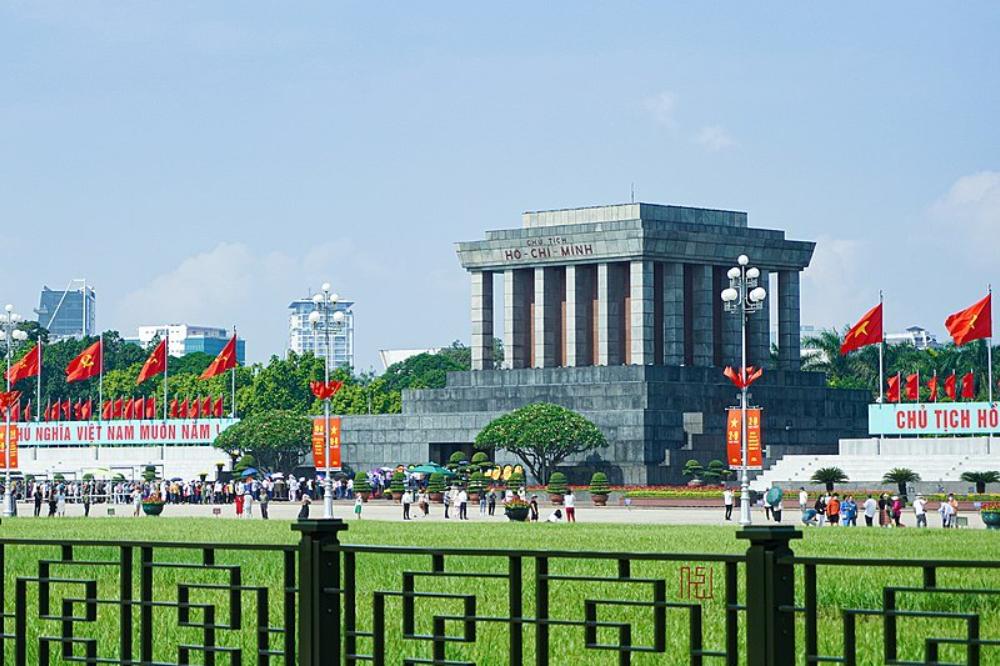
🏛️ Hanoi City Tour – Culture & Heritage Experience
| 🚍 Departure: | Hanoi Old Quarter (daily departures) |
| 🗺️ Highlights: | Ho Chi Minh Mausoleum, One Pillar Pagoda, Temple of Literature, West Lake, Old Quarter |
| ⏳ Duration: | Half Day / Full Day Options |
| 🎒 Style: | Culture, history, local life & city sightseeing |
| 💵 Price: | From ~$25/person |
| 📞 Contact: | +84 978 358 422 | +84 962 261 687 | |
The Rich Cultural History of Cha Ca La Vong: From Revolution to Culinary Icon
The Revolutionary Origins (1871-1900)
The story of Cha Ca La Vong begins during a tumultuous period in Vietnam’s history. In 1871, the Doan family at 14 Hang Son Street (now Cha Ca Street) created this dish as a means to fund and feed revolutionaries fighting against French colonial rule. The family home doubled as a secret meeting place, with the distinctive aroma of grilling fish masking clandestine gatherings.
The name itself has political significance—”La Vong” refers to Jiang Ziya (Vietnamese: Khương Tử Nha), a Chinese historical figure who patiently fished without bait while waiting to serve a worthy king. This symbolism resonated with Vietnamese resistance fighters waiting for their moment to reclaim independence.
From Family Recipe to Hanoi’s First Specialty Restaurant (1900-1950)
By the early 1900s, the Doan family had transformed their home into Hanoi’s first single-dish restaurant. Revolutionary activities had faded, but the culinary legacy remained. The establishment became so renowned that in 1937, the street was officially renamed “Cha Ca Street”—a rare honor that highlights the dish’s cultural importance.
During this period, the preparation method was standardized to include the signature turmeric marinade and tableside cooking technique that remains unchanged today. French culinary documents from the colonial period note the dish as one of the few native preparations that even European settlers admired.
National Treasure Status in Modern Vietnam (1950-2026)
Following Vietnam’s independence, Cha Ca La Vong transcended its revolutionary roots to become a symbol of national culinary pride. In 1995, the original restaurant was recognized as a cultural heritage site by Hanoi authorities.
By 2026, the dish has achieved protected status similar to geographical indications in European cuisine. Modern food historians now rank it alongside pho and banh mi as one of Vietnam’s most significant culinary contributions to world gastronomy. According to the Vietnam Culinary Association’s 2025 survey, Cha Ca La Vong ranks as the third most recognized Vietnamese dish internationally, with over 78% of foreign visitors to Hanoi reporting they’ve heard of it before arriving.
When exploring Vietnam through a 4-day Hanoi-Halong itinerary, understanding this dish’s historical significance adds another dimension to your culinary adventures.
The Perfect Cha Ca La Vong Recipe: Traditional Ingredients and Techniques
The Fish Selection: The Foundation of Excellence
The soul of authentic Cha Ca La Vong lies in the fish selection. Traditionally, the dish uses hemibagrus (cá lăng), a freshwater catfish native to Vietnam’s northern rivers. This fish is prized for its firm, white flesh that maintains its integrity during the two-stage cooking process.
In 2026, as sustainability concerns have grown, many restaurants now also use alternative fish options:
- Snakehead fish (cá lóc): Offering similar texture and mild flavor
- Butterfish (cá bơn): Providing a delicate sweetness
- Catfish (cá tra): More widely available but requiring expert preparation
The ideal cut contains both skin and flesh, typically measuring 2×3 inches (5×7.5 cm) and about 0.5 inches (1.25 cm) thick—dimensions that allow for quick cooking while retaining moisture.
The Signature Marinade: Time-Honored Secrets
The distinctive golden color and complex flavor profile come from a marinade that must infuse the fish for exactly 2-4 hours (never overnight, which would break down the delicate flesh). The traditional recipe includes:
- Turmeric root (2 tablespoons, freshly ground): Provides the signature yellow color and earthy notes
- Galangal (1 tablespoon, finely minced): Adds citrusy aromatics
- Fermented rice (1 teaspoon): Creates tenderness and subtle tanginess
- Fish sauce (2 tablespoons, premium grade): Delivers essential umami depth
- Rice wine (1 tablespoon): Eliminates fishy odors
- Shrimp paste (1 teaspoon): Enhances the maritime flavor
- Garlic (3 cloves, crushed): Forms an aromatic base
According to Chef Nguyen Van Hai of the Hanoi Culinary Institute, “The balance of these ingredients hasn’t changed since the 1870s—it’s the perfect equilibrium of flavors that defines authentic Hanoi cuisine.”
The Two-Stage Cooking Method: Art and Science
What truly distinguishes Cha Ca La Vong is its unique two-phase cooking process:
- Pre-Grilling Stage: The marinated fish is first grilled over charcoal at 375°F (190°C) for exactly 7 minutes, creating a semi-cooked state with caramelized exterior notes.
- Tableside Finishing: The pre-grilled fish arrives at the table in a small cast-iron pan with hot oil (traditionally pork fat, though many establishments now use vegetable oil infused with pork flavor). Diners witness the addition of fresh dill (approximately 50g) and green onions (about 30g), which wilt slightly in the hot oil while the fish completes its cooking.
This dual-cooking method creates the perfect textural contrast—crisp exterior with a moist, flaky interior—that cannot be achieved through a single cooking process.
How to Eat Cha Ca La Vong Like a Hanoi Native in 2026
The Assembly Process: Building the Perfect Bite
Eating Cha Ca La Vong properly is an art form that enhances the entire experience. Follow these steps to enjoy it like a true Hanoian:
- Prepare your bowl: Place a modest portion of rice vermicelli (bún) at the bottom of your bowl, creating a nest for the fish.
- Add the fish and herbs: Using communal chopsticks, transfer a piece of fish along with some of the wilted dill and green onions from the pan to your bowl.
- Garnish generously: Add fresh herbs (typically purple perilla, Vietnamese balm, and coriander), crushed roasted peanuts, and thinly sliced red chili according to your spice preference.
- Season to taste: Drizzle with nuoc cham (fish sauce dipping sauce) or a small amount of mắm tôm (fermented shrimp paste) if you’re feeling adventurous.
- Mix thoroughly: Unlike many Vietnamese dishes where ingredients remain separate, Cha Ca should be mixed thoroughly to allow the hot fish to slightly wilt the fresh herbs and the sauce to coat every element.
According to Hanoi food historian Vu Bang, “The perfect bite should contain all elements—the fish, both cooked and fresh herbs, noodles, and sauce—creating a harmony that represents the balanced nature of Vietnamese cuisine.”
Dining Etiquette: The Social Aspects of Cha Ca
The Cha Ca experience extends beyond just eating techniques to encompass important social customs:
- Patience is essential: Wait for the fish to cook thoroughly in the pan before serving. Rushing this process is considered both impolite and culinarily incorrect.
- Serve others first: Before taking fish for yourself, offer some to the eldest person at the table or guests of honor.
- Manage the cooking process communally: Take turns stirring the fish in the pan to ensure even cooking. This shared responsibility creates bonding over the meal.
- Pace yourself: The dish is designed to be enjoyed slowly, with conversation flowing between bites. A proper Cha Ca meal should last at least 45 minutes.
- Pair with tradition: Authentic consumption includes sipping either cold beer (bia hoi) or cups of warm Vietnamese tea between bites to cleanse the palate.
Following these customs not only enhances your enjoyment but shows respect for the cultural heritage of this iconic dish during your Hanoi tours.
17 Best Places to Experience Authentic Cha Ca La Vong in Hanoi (2026)
The Historic Originals: Tasting Living History
1. Cha Ca La Vong (Original) – 14 Cha Ca Street, Hoan Kiem
What makes it special: The birthplace of the dish, operating since 1871 in the same location. The building itself is recognized as a cultural heritage site.
Signature style: Strictly traditional, using hemibagrus fish with the exact recipe passed down through five generations of the Doan family.
Price range (2026): 250,000-300,000 VND ($10-12)
Opening hours: 11:00 AM-2:00 PM, 5:00 PM-9:30 PM
Expert tip: Visit between 11:30 AM-12:30 PM to avoid the tourist rush while ensuring the freshest fish of the day.
2. Cha Ca Thang Long – 19-21-31 Duong Thanh Street, Hoan Kiem
What makes it special: Founded by former chefs from the original restaurant in 1949, this establishment is renowned for maintaining the perfect fish-to-herb ratio.
Signature style: Slightly more oil in the pan creates a crispier exterior on the fish, with an extra-generous serving of dill.
Price range (2026): 220,000-270,000 VND ($9-11)
Opening hours: 10:00 AM-10:00 PM (continuous service)
Expert tip: Their proprietary dipping sauce includes a secret ingredient (believed to be a touch of cinnamon) that enhances the overall flavor profile.
Local Favorites: Where Hanoi Residents Actually Go
3. Cha Ca Anh Vu – 120K Giang Vo Street, Ba Dinh
What makes it special: Founded in 1997, this restaurant has gained a devoted local following for its perfectly balanced marinade that uses wild-harvested turmeric from Hai Van mountain.
Signature style: Smaller pieces of fish allow for quicker cooking and more crisp surfaces, with a higher herb-to-fish ratio.
Price range (2026): 180,000-220,000 VND ($7-9)
Opening hours: 11:00 AM-2:30 PM, 5:00 PM-10:00 PM
Expert tip: Order their special house-made rice wine (rượu nếp) that’s specifically crafted to complement the flavors of the dish.
4. Cha Ca Hong – 29 Dao Duy Tu Street, Hoan Kiem
What makes it special: A third-generation female chef who won the 2025 Hanoi Traditional Cuisine Preservation Award oversees every batch of marinade.
Signature style: Includes lotus stem in the herb mixture for additional textural contrast and subtle sweetness.
Price range (2026): 200,000-250,000 VND ($8-10)
Opening hours: 10:30 AM-9:00 PM
Expert tip: Their special serving includes a small cup of fish bone broth to sip between bites, an old Hanoi tradition rarely seen elsewhere.
5. Cha Ca Thanh Hien – 36 Pho Hue Street, Hai Ba Trung
What makes it special: Operating since 1982, this restaurant sources fish exclusively from Lang Son province’s mountain streams.
Signature style: Slightly thicker cuts of fish (about 0.7 inches/1.8 cm) and a longer pre-grilling time create a more substantial texture.
Price range (2026): 190,000-240,000 VND ($7.50-9.50)
Opening hours: 11:00 AM-9:00 PM
Expert tip: Ask for their special chili oil made with Langson forest chilies for an authentic Northern borderland flavor experience.
Modern Interpretations: Contemporary Excellence
6. Cha Ca Chi – 27 To Ngoc Van Street, Tay Ho
What makes it special: Opened in 2022 by a French-trained Vietnamese chef, this establishment uses sustainable aquaculture practices for all seafood.
Signature style: Traditional preparation with modern presentation, including individual cooking stations at each table rather than shared pans.
Price range (2026): 280,000-350,000 VND ($11-14)
Opening hours: 11:30 AM-10:00 PM
Expert tip: Their turmeric is aged for six months before use, creating a more complex flavor profile with subtle notes of ginger.
7. Cha Ca Hanoi Heritage – 164 Au Co Street, Tay Ho
What makes it special: Founded in 2023, this restaurant combines traditional recipes with modern nutritional science, using zero MSG and reduced sodium.
Signature style: Offers both traditional hemibagrus and sustainable alternatives, with optional brown rice vermicelli for health-conscious diners.
Price range (2026): 250,000-320,000 VND ($10-13)
Opening hours: 10:00 AM-9:30 PM
Expert tip: Try their “heritage platter” featuring three different fish varieties with the same marinade to compare subtle flavor differences.
8. Cha Ca Cuisine – 15 Ngo Huyen Street, Hoan Kiem
What makes it special: A boutique restaurant opened in 2024 that offers wine pairings specifically selected to complement the dish’s flavor profile.
Signature style: Uses premium Mekong Delta catfish with extended marination (5 hours) and adds a touch of saffron to the traditional turmeric.
Price range (2026): 300,000-380,000 VND ($12-15)
Opening hours: 12:00 PM-10:00 PM
Expert tip: Their signature dessert—turmeric and ginger ice cream—uses the same aromatics as the main dish for a thematically coherent meal.
Hidden Gems: Locals’ Best-Kept Secrets
9. Cha Ca Ba Hai – Alley 29, Lane 55, Huynh Thuc Khang Street, Dong Da
What makes it special: A tiny family operation with only five tables, run by the same family for three generations without any advertising.
Signature style: Uses exclusively young galangal in the marinade, creating a brighter, more citrusy profile than other establishments.
Price range (2026): 150,000-200,000 VND ($6-8)
Opening hours: 11:30 AM-1:30 PM, 5:30 PM-8:30 PM (closed Mondays)
Expert tip: Call ahead (+84 24 3856 9812) to reserve, as they often sell out completely by peak mealtime.
10. Cha Ca Lao Ngu – 27 Alley 38, Dao Tan Street, Ba Dinh
What makes it special: Located in a former fisherman’s home, this establishment has been serving the same recipe since 1963 without changing a single ingredient.
Signature style: Uses charcoal made from specific longan wood for pre-grilling, adding a subtle sweet smoke character to the fish.
Price range (2026): 170,000-220,000 VND ($7-9)
Opening hours: 11:00 AM-8:00 PM
Expert tip: Thursday is their “new batch” day when they prepare fresh marinade, making it the optimal day to visit for the most vibrant flavors.
11. Cha Ca Bach Phuong – 94 Alley 12, Nui Truc Street, Ba Dinh
What makes it special: A third-generation family restaurant where the 78-year-old matriarch still personally approves every batch of fish before service.
Signature style: Includes a touch of honey in the marinade, creating subtle caramelization during the grilling stage.
Price range (2026): 180,000-230,000 VND ($7-9)
Opening hours: 10:30 AM-2:00 PM, 5:00 PM-8:30 PM
Expert tip: Request their house-special herb plate, which includes rare Vietnamese herbs grown in their family garden outside the city.
Upscale Dining: Premium Cha Ca Experiences
12. Cha Ca Fine Dining at Metropole Hanoi – 15 Ngo Quyen Street, Hoan Kiem
What makes it special: The historic Metropole Hotel’s Vietnamese restaurant offers a premium version using hand-selected fish and organic herbs.
Signature style: Enhanced presentation with gold-plated cooking pans and optional caviar supplement that adds a luxurious briney contrast.
Price range (2026): 450,000-650,000 VND ($18-26)
Opening hours: 12:00 PM-2:30 PM, 6:00 PM-10:00 PM
Expert tip: Reserve their “Chef’s Table” experience where the hotel’s Vietnamese cuisine master explains the historical significance while preparing the dish.
13. Cha Ca 1871 at InterContinental Hanoi Westlake – 5 Tu Hoa Street, Tay Ho
What makes it special: A high-end interpretation that follows traditional methods but uses premium imported spices alongside local ingredients.
Signature style: Offers both classic preparation and a luxurious version using snow fish (cá tuyết) imported from Japan.
Price range (2026): 400,000-700,000 VND ($16-28)
Opening hours: 11:30 AM-2:30 PM, 6:00 PM-10:30 PM
Expert tip: Their lakeside terrace seating provides a stunning backdrop for enjoying this classic dish with a contemporary twist.
Budget-Friendly Options: Authentic Flavors at Reasonable Prices
14. Cha Ca Sinh Vien – 71 Phuong Mai Street, Dong Da
What makes it special: Originally opened to serve university students, this no-frills establishment focuses on authentic flavors at accessible prices.
Signature style: Slightly smaller portions but maintains traditional preparation methods and ingredient quality.
Price range (2026): 120,000-150,000 VND ($5-6)
Opening hours: 10:00 AM-9:00 PM
Expert tip: Their “student special” includes a free Vietnamese egg coffee with each order before 4:00 PM.
15. Cha Ca Binh Dan – 18 Alley 76, Nguyen Chi Thanh Street, Dong Da
What makes it special: A casual eatery that has served consistent quality since 1989, popular with office workers from nearby government buildings.
Signature style: Simplified presentation but strict adherence to traditional marinade proportions.
Price range (2026): 130,000-170,000 VND ($5-7)
Opening hours: 10:30 AM-8:30 PM
Expert tip: Their lunch special (11:30 AM-1:30 PM) includes complimentary green tea and extra noodles at no additional charge.
Tourist-Friendly Spots: Accessibility Without Sacrificing Authenticity
16. Cha Ca for Everyone – 26 Ma May Street, Hoan Kiem
What makes it special: Opened in 2023 specifically to cater to international visitors, with English-speaking staff and clear instructions on how to enjoy the dish properly.
Signature style: Traditional preparation with slightly milder dipping sauces designed to accommodate international palates.
Price range (2026): 220,000-270,000 VND ($9-11)
Opening hours: 9:00 AM-11:00 PM
Expert tip: Their “first-timer package” includes a printed guide to eating Cha Ca correctly and a small certificate marking your initiation into Hanoi culinary culture.
17. Cha Ca Experience – 87 Hang Bac Street, Hoan Kiem
What makes it special: Combines restaurant service with brief cooking demonstrations showing the entire preparation process before serving.
Signature style: Traditional recipe with options for varying spice levels to accommodate different preferences.
Price range (2026): 250,000-300,000 VND ($10-12)
Opening hours: 10:00 AM-10:00 PM
Expert tip: Book their 6:00 PM demonstration session for the most comprehensive cultural explanation and cooking show before enjoying your meal.
Expert Tips for the Ultimate Cha Ca La Vong Experience in 2026
Best Times to Visit: Maximizing Freshness and Authenticity
The timing of your Cha Ca La Vong experience significantly impacts its quality. According to local food experts:
- Optimal days: Tuesday through Thursday typically offer the freshest fish, as most restaurants receive their main deliveries early in the week.
- Prime hours: 11:30 AM-12:30 PM represents the sweet spot—early enough to guarantee freshness but late enough that the marinades have properly developed their flavors overnight.
- Seasonal considerations: The traditional fishing season for hemibagrus peaks from September through November, making fall the ideal time to experience the dish with its most authentic fish variety.
- Avoid: Sunday evenings (when many establishments use weekend leftovers) and tourist rush hours (typically 7:00 PM-8:30 PM), when hasty preparation might compromise quality.
Food journalist Nguyen Quynh Anh notes, “The best Cha Ca experiences happen when the chef isn’t rushed. Early lunch on weekdays allows for proper attention to each table’s cooking process.”
Navigating Dietary Restrictions: Modern Accommodations
In 2026, many Cha Ca establishments have evolved to accommodate various dietary needs while maintaining culinary integrity:
- Gluten-free options: Request rice paper instead of vermicelli noodles—most restaurants now offer this substitution.
- Reduced sodium: Ask for “lightly seasoned” (ít mặn) preparation, which uses approximately 30% less fish sauce in both the marinade and dipping sauce.
- Vegetarian adaptations: Several locations now offer tofu or mushroom versions marinated in the traditional spice blend. Cha Ca Chi and Cha Ca Experience (listings #6 and #17) are particularly noted for excellent plant-based versions.
- Allergen awareness: Most established restaurants now maintain comprehensive ingredient lists in multiple languages—request these if you have specific concerns.
Nutritionist Dr. Tran Hong Van advises, “Even with dietary modifications, the essence of Cha Ca lies in the turmeric-dill-fish sauce trinity of flavors, which can be maintained while accommodating most dietary requirements.”
Common Mistakes to Avoid When Trying Cha Ca La Vong in Hanoi
Cultural Faux Pas: Respecting the Tradition
Even seasoned travelers can unknowingly commit errors that might diminish their Cha Ca experience:
- Rushing the cooking process: The tableside preparation requires patience—typically 7-10 minutes of gentle simmering. Attempting to speed this up by increasing heat will result in unevenly cooked fish.
- Adding sauce too early: The dipping sauce should never be added directly to the cooking pan—this disrupts the delicate cooking process and can cause splattering.
- Neglecting the herb mix: The fresh herbs aren’t merely garnish but essential components that balance the rich flavors. Skipping them significantly diminishes the authentic experience.
- Over-stirring: While some agitation is necessary, constantly moving the fish in the pan prevents proper caramelization. Follow the server’s lead on timing.
Chef Pham Anh Tu of the Hanoi Culinary Conservation Project emphasizes, “Cha Ca is not fast food—it’s a meditation on flavor that requires attention and respect for each stage of the experience.”
Ordering Mistakes: Maximizing Value and Authenticity
Strategic ordering enhances your Cha Ca experience:
- Over-ordering accompaniments: The dish comes complete with all necessary components. Additional side dishes often go untouched and represent unnecessary expense.
- Inappropriate beverage pairings: Sweet or strongly flavored drinks overwhelm the subtle notes in the dish. Stick with traditional pairings: light beer, white wine, or green tea.
- Missing seasonal specials: Many restaurants offer seasonal herb variations or limited-time fish options that aren’t on the regular menu. Always ask what’s special or seasonal.
- Skipping dessert: Traditional light desserts like fresh fruit or che (sweet bean soup) provide the perfect counterpoint to the savory complexity of Cha Ca.
Conclusion: Why Cha Ca La Vong Remains Essential to Hanoi’s Identity in 2026
As Hanoi balances rapid modernization with cultural preservation in 2026, Cha Ca La Vong stands as a living monument to the city’s culinary heritage. More than just a meal, it represents the intersection of history, art, and community that defines Vietnamese food culture.
What makes this dish truly remarkable is its resistance to fundamental change despite global influences. While presentation and service have evolved, the core preparation—that magical combination of turmeric-marinated fish, fresh dill, and communal tableside cooking—remains essentially unchanged after 155 years.
For visitors exploring Vietnam in 2026, experiencing authentic Cha Ca La Vong offers a direct connection to generations of Hanoians who have gathered around these same sizzling pans. The dish tells the story of a city that values tradition while embracing the future—each bite connecting you to both Vietnam’s past and its vibrant present.
Whether you’re embarking on comprehensive Hanoi tours or creating your own culinary adventure through the capital’s winding streets, make time for this singular culinary experience. In a world of constant change, Cha Ca La Vong reminds us that some traditions are worth preserving exactly as they are—perfect in their timeless simplicity.
Contact Information
Website: vietnammarveltravel.com
Email: vietnammarveltravel@gmail.com
Phone: +84.978.358.422
WhatsApp: +84 978.358.422
Vietnam Marvel Travel – Your Gateway to Authentic Vietnam Experiences
Read Our Reviews: Check out genuine traveler experiences and ratings on Vietnam Marvel Travel Review on TripAdvisor to see why we’re the preferred choice for Vietnam adventures