

Is Hanoi Worth Visiting in 2026? 21 Compelling Reasons to Explore Vietnam’s Capital
Planning a trip to Vietnam in 2026? Discover why Hanoi should be at the top of your travel list with our comprehensive guide that explores the city’s ancient heritage, evolving culture, culinary wonders, and much more—all updated for the savvy 2026 traveler seeking authentic experiences in Southeast Asia.
Is Hanoi Worth Visiting in 2026? The Definitive Answer
For travelers contemplating whether Hanoi deserves a place on their 2026 itinerary, the answer is a resounding yes. Vietnam’s capital offers a mesmerizing blend of millennia-old traditions and modern developments that make it one of Southeast Asia’s most captivating destinations. Unlike its southern counterpart Ho Chi Minh City, Hanoi retains a more authentic Vietnamese character while still providing all the amenities international travelers expect in 2026.
What sets Hanoi apart in 2026 is its ability to preserve its cultural soul amidst rapid modernization. The city has carefully balanced development with heritage conservation, making it an ideal destination for travelers seeking both comfort and cultural immersion. Let’s explore the 21 compelling reasons why Hanoi should be on your travel radar for 2026.
Hanoi City Tour – Discover the Heart of Vietnam’s Capital
🏛️ Hanoi City Tour – Culture & Heritage Experience
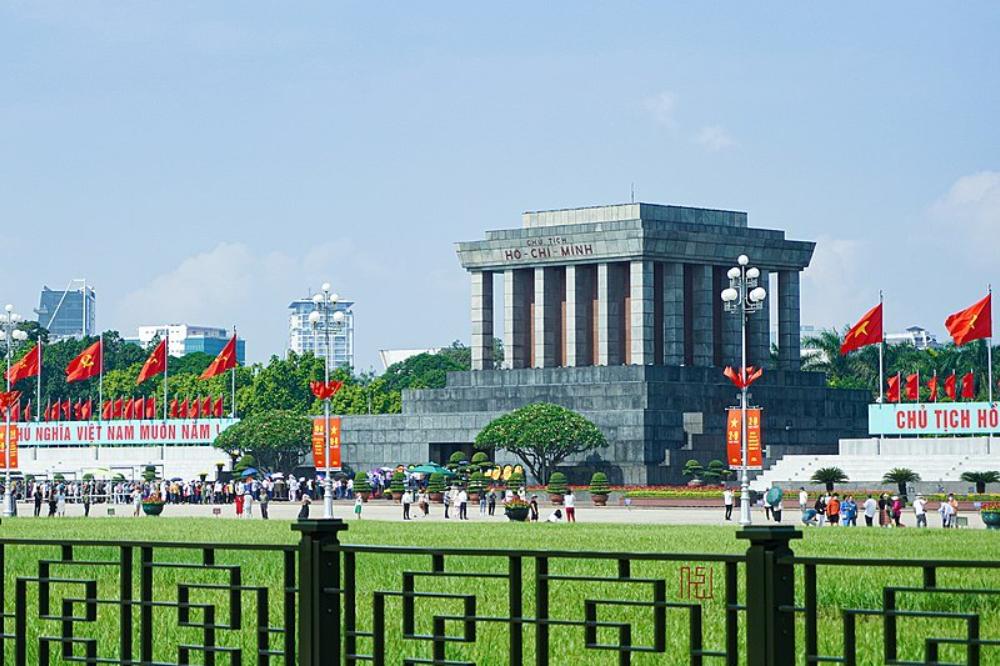
| 🚍 Departure: | Hanoi Old Quarter (daily departures) |
| 🗺️ Highlights: | Ho Chi Minh Mausoleum, One Pillar Pagoda, Temple of Literature, West Lake, Old Quarter |
| ⏳ Duration: | Half Day / Full Day Options |
| 🎒 Style: | Culture, history, local life & city sightseeing |
| 💵 Price: | From ~$25/person |
| 📞 Contact: | +84 978 358 422 | +84 962 261 687 | |
1. A Living Museum of Vietnamese History
Hanoi’s historical significance cannot be overstated. As a city celebrating over 1,000 years of history, it offers visitors a chance to walk through Vietnam’s past in ways few other Southeast Asian capitals can match.
The Imperial Citadel of Thang Long: Vietnam’s Ancient Power Center
The Imperial Citadel, recognized as a UNESCO World Heritage Site since 2010, has undergone extensive restoration work completed in late 2025. The 2026 visitor experience now includes new archaeological exhibits displaying recently discovered artifacts dating back to the 11th century. The citadel spans an impressive 18 hectares in central Hanoi, with its most ancient structures dating to 1010 CE when Emperor Ly Thai To established his capital here.
For history enthusiasts, the newly implemented augmented reality tour (launched in January 2026) allows visitors to witness how the imperial complex appeared during different dynasties, from the Ly to the Nguyen periods. This immersive experience has earned a 4.8/5 star rating on major travel platforms within its first months of operation.
Hoa Lo Prison: A Powerful Window into Vietnam’s Colonial Struggles
Often referred to as the “Hanoi Hilton,” Hoa Lo Prison has been transformed into a thought-provoking museum that tells the story of Vietnam’s fight for independence. The 2026 exhibition includes newly declassified documents about the prison’s role during both French colonial times and the American War. The prison museum covers 1,200 square meters and features preserved cells, torture instruments, and personal artifacts from former prisoners.
A visit to these historical sites offers profound insights into Vietnam’s complex past. The average visitor spends approximately 2.5 hours at the Imperial Citadel and 1.5 hours at Hoa Lo Prison, making them easy to incorporate into a comprehensive Hanoi city tour.
2. The Old Quarter: A Medieval Trading Hub Still Thriving
Hanoi’s Old Quarter remains one of Asia’s best-preserved historical urban areas, and in 2026, it continues to captivate visitors with its narrow 15th-century streets and vibrant commerce.
The 36 Ancient Streets: Shopping Paradise with Historical Significance
The Old Quarter’s legendary 36 streets—each traditionally dedicated to a specific trade—continue this centuries-old tradition in 2026. Hang Bac (Silver Street) still houses silversmiths, while Hang Gai specializes in silk products. These streets aren’t just shopping destinations but living museums where ancient commerce practices continue alongside modern retail.
The area covers approximately 1 square kilometer but contains over 1,000 small businesses, making it one of Asia’s most concentrated commercial districts. The pedestrian-only zones have been expanded in 2026 to include 12 streets during weekends, up from 8 streets in previous years.
Ancient Architecture Meets Modern Life
What makes the Old Quarter especially fascinating in 2026 is how centuries-old tube houses (many just 2-3 meters wide but extending 50-60 meters deep) now house everything from traditional craft shops to trendy cafes. The government’s 2025-2030 preservation program has restored 47 heritage buildings to their original glory while allowing for modern amenities inside.
Walking through the Old Quarter’s labyrinthine streets gives visitors a sensory feast—traditional medicine shops release aromatic herbs into the air, food vendors create mouth-watering street cuisine, and craftspeople hammer silver or carve wood using techniques passed down through generations.
3. Unparalleled Street Food Culture
Hanoi’s street food scene continues to earn international recognition in 2026, with the city recently named “Asia’s Best Street Food Destination” by Culinary Travel Magazine in January 2026.
Pho: The World’s Most Famous Noodle Soup Perfected
While pho is available worldwide, experiencing it in Hanoi—where the dish was born—is an entirely different experience. In 2026, Hanoi’s pho establishments maintain their traditional preparation methods while adhering to enhanced food safety standards introduced in 2025.
Pho Gia Truyen at 49 Bat Dan Street continues its reign as Hanoi’s most celebrated pho restaurant, serving approximately 500 bowls daily with a precise broth that simmers for exactly 12 hours. A bowl costs between 60,000-85,000 VND (approximately $2.40-$3.40 USD), making this world-class culinary experience remarkably affordable.
Bun Cha: Obama’s Favorite Vietnamese Dish
Bun Cha Huong Lien (also known as “Obama Bun Cha” since the former US President dined there with Anthony Bourdain) continues to attract food enthusiasts. This dish of grilled pork served with rice noodles and herbs has seen renewed popularity in 2026 after being featured in Netflix’s “Street Food: 2026 Edition.”
The restaurant serves an average of 700 portions daily during peak season, and despite its fame, maintains reasonable prices at 90,000 VND (about $3.60 USD) per serving. The special “Obama Combo” (including spring rolls and a beer as ordered by the former president) costs 120,000 VND (about $4.80 USD).
Street Food Tours: The Ultimate Culinary Experience
For visitors uncertain about navigating Hanoi’s food scene independently, 2026 offers specialized street food tours. The “Hanoi Foodie Explorer” tour, launched in January 2026, takes small groups of 6-8 people to 8 different food establishments over 4 hours, sampling 12 different dishes for $35 USD per person.
Food safety has improved significantly, with Hanoi’s Department of Tourism implementing the “Safe Street Food” certification program in late 2025. By mid-2026, over 70% of street food vendors in tourist areas have received this certification, which requires regular health inspections and food handling training.
4. Captivating Cultural Performances
Hanoi offers visitors numerous opportunities to experience traditional Vietnamese performing arts, with several venues upgrading their programs for 2026.
Water Puppetry: A Uniquely Vietnamese Art Form
The Thang Long Water Puppet Theater, Vietnam’s premier venue for this ancient art form, unveiled a completely renovated facility in January 2026. The theater now accommodates 300 spectators per show (up from 240 previously) and features enhanced lighting and sound systems.
Water puppetry originated in the Red River Delta over 1,000 years ago, with puppeteers standing waist-deep in water to manipulate wooden puppets across a water surface. The 2026 show incorporates newly created puppets depicting modern Vietnamese life alongside traditional folklore. Performances last 50 minutes and tickets range from 150,000 to 350,000 VND ($6-14 USD).
Vietnamese Opera (Ca Tru and Tuong)
The Hanoi Opera House, a magnificent French colonial building dating to 1911, has expanded its Vietnamese traditional performance calendar for 2026. The newly introduced “Essence of Vietnam” program runs every Saturday and features Ca Tru (a complex form of sung poetry on the UNESCO Intangible Cultural Heritage list) and Tuong (classical Vietnamese opera).
The ornate opera house, spanning 2,600 square meters with a main hall capacity of 600 seats, provides an appropriately grand setting for these ancient art forms. Performance tickets range from 400,000 to 1,200,000 VND ($16-48 USD), with proceeds partially supporting traditional arts preservation programs.
5. Architectural Diversity Spanning Centuries
Hanoi’s architectural landscape tells the story of its complex history, from indigenous Vietnamese styles to French colonial influences and Soviet-era modernism.
French Colonial Grandeur
The French Quarter, with its wide boulevards and European-style buildings, provides a striking contrast to the densely packed Old Quarter. The area covers approximately 213 hectares and features over 200 preserved colonial structures.
The Presidential Palace (built 1900-1906) exemplifies French colonial architecture with its ornate yellow façade and meticulously maintained 12-hectare botanical garden. In 2026, visitors can access previously restricted areas of the complex thanks to the new “Architectural Heritage Tour” launched in March 2026.
Vietnamese-Style Religious Architecture
The Temple of Literature, Vietnam’s first national university founded in 1070, showcases classical Vietnamese architecture with its series of courtyards, pavilions, and gardens spread across 54,000 square meters. The site has completed its extensive five-year restoration program in early 2026, revealing intricate stone carvings and woodwork previously hidden under centuries of wear.
The One Pillar Pagoda, an iconic Buddhist temple designed to resemble a lotus blossom rising from the water, was originally built in 1049. Though reconstructed several times throughout history, it maintains its distinctive design with a wooden pagoda atop a single stone pillar 1.25 meters in diameter and 4 meters high.
6. Tranquil Lakes and Green Spaces
Despite being a bustling metropolis of over 9.2 million people in 2026, Hanoi provides numerous peaceful retreats within its urban landscape.
Hoan Kiem Lake: The Heart of Hanoi
Hoan Kiem Lake (“Lake of the Returned Sword”) forms the geographical and spiritual center of Hanoi. This 12-hectare lake features the picturesque Turtle Tower on a small island and is surrounded by a 2.1-kilometer walking path that was expanded and renovated in late 2025.
The lake area has been designated a car-free zone every weekend from Friday evening through Sunday night since 2016, a policy that has proven so successful that in 2026, the car-free hours were extended to include Thursday evenings. During these times, the area transforms into a vibrant public space with cultural performances, traditional games, and food vendors.
West Lake: Hanoi’s Largest Natural Feature
West Lake (Ho Tay), spanning an impressive 500 hectares with a shoreline of 17 kilometers, provides a more expansive natural retreat. The West Lake Recreational Zone, completed in mid-2025, added 5 kilometers of new pedestrian and cycling paths along the southeastern shore.
The lake is home to several historic temples, including the 6th-century Tran Quoc Pagoda, Vietnam’s oldest Buddhist temple. The West Lake area now features 12 designated viewing platforms completed in early 2026, strategically positioned to capture the most picturesque vistas across the water.
7. World-Class Museums for Every Interest
Hanoi houses Vietnam’s most important national museums, many of which have undergone significant modernization for 2026 visitors.
Vietnam Museum of Ethnology: Understanding Vietnam’s 54 Ethnic Groups
This anthropological museum showcases the tremendous cultural diversity of Vietnam’s 54 recognized ethnic groups. Following a major expansion completed in December 2025, the museum now encompasses 3.27 hectares with both indoor and outdoor exhibitions.
The outdoor section features 15 full-sized traditional houses built using authentic techniques and materials from different regions of Vietnam. Inside, the museum displays over 15,000 artifacts and utilizes interactive technology introduced in 2026, including virtual reality stations that allow visitors to “experience” ethnic minority village life.
Vietnam National Fine Arts Museum: Artistic Evolution Through Centuries
Housed in a former French girls’ school built in 1937, this museum presents Vietnamese art from prehistoric times through contemporary works. The collection features over 20,000 items, including priceless ancient sculptures, traditional folk paintings, and revolutionary art from the war era.
The museum completed its digital archive project in January 2026, making its entire collection searchable online and adding QR codes beside physical exhibits that link to detailed information in 8 different languages.
8. Evolving Cafe Culture and Third-Wave Coffee Scene
Vietnam ranks as the world’s second-largest coffee exporter, and Hanoi’s cafe culture reflects this deep relationship with coffee through both traditional and contemporary establishments.
Traditional Egg Coffee: A Uniquely Hanoi Creation
Egg coffee (ca phe trung), invented in Hanoi in the 1940s when milk was scarce, remains a must-try specialty. Giang Cafe, where the drink was created, continues serving its original recipe—a creamy blend of egg yolk, sugar, condensed milk, and robusta coffee that tastes reminiscent of liquid tiramisu.
In 2026, Giang Cafe celebrates its 80th anniversary and has expanded to a second location while maintaining its famous recipe unchanged. A cup costs 45,000 VND (approximately $1.80 USD), and the cafe serves an estimated 500-700 cups daily.
Third-Wave Coffee Revolution
While traditional cafes remain popular, Hanoi has embraced the global third-wave coffee movement with specialty cafes focusing on single-origin beans, precise brewing methods, and cafe aesthetics. The Hanoi Coffee Collective, formed in 2025, now includes 28 independent specialty cafes committed to ethical sourcing and showcasing Vietnamese arabica beans.
These modern establishments often occupy repurposed historical buildings. For instance, The Coffee Commune, opened in February 2026, is housed in a renovated French colonial villa from 1923 and features both traditional Vietnamese and modern brewing methods, with prices ranging from 55,000 to 120,000 VND ($2.20-4.80 USD) per cup.
9. Accessible Base for Northern Vietnam Exploration
Hanoi serves as the ideal gateway to numerous world-class attractions in northern Vietnam, making it perfect for travelers seeking to combine urban exploration with natural wonders.
Gateway to Halong Bay: UNESCO World Heritage Site
Halong Bay, with its approximately 1,600 limestone islands and islets, lies just 175 kilometers (about 2.5-3 hours) east of Hanoi. The 2026 completion of the final phase of the Hanoi-Haiphong-Halong expressway has reduced travel time by approximately 30 minutes compared to previous years.
For travelers seeking to experience this natural wonder, 4-day Hanoi-Halong Bay itineraries offer the perfect balance of city exploration and natural beauty. These packages typically include 2 days in Hanoi and a 2-day/1-night cruise among Halong Bay’s stunning karst formations.
Day Trips to Ninh Binh: “Halong Bay on Land”
Often described as “Halong Bay on Land,” Ninh Binh province lies just 93 kilometers (approximately 2 hours) south of Hanoi. The region’s limestone karsts rising dramatically from rice paddies create otherworldly landscapes at sites like Tam Coc and Trang An, the latter a UNESCO World Heritage Site.
The area is easily accessible as a day trip from Hanoi, with the direct bus service introduced in 2025 now operating hourly departures between 7 AM and 4 PM daily. The round-trip fare costs 220,000 VND (about $8.80 USD).
Sapa and the Northern Highlands
For those interested in ethnic minority cultures and mountain landscapes, Sapa lies 320 kilometers northwest of Hanoi. The overnight train journey (taking approximately 8 hours) has been significantly improved with the introduction of new luxury carriages in late 2025, featuring private cabins with en-suite facilities.
Alternatively, the Hanoi-Lao Cai expressway completed in 2024 allows for comfortable bus journeys taking approximately 5.5 hours. Many travelers choose to spend 2-3 days in Sapa after exploring Hanoi, trekking through terraced rice fields and visiting H’mong and Red Dao villages.
10. Exceptional Value for Money in 2026
Hanoi continues to offer remarkable value compared to other Asian capitals, making it accessible for budget travelers while still providing luxury options.
Accommodation Costs for Every Budget
Hanoi’s accommodation landscape spans from backpacker hostels to luxury five-star hotels:
- Budget: Dormitory beds in well-rated hostels cost $8-15 USD per night, while private rooms in guesthouses average $20-30 USD.
- Mid-range: Three-star hotels in central districts range from $35-70 USD per night, typically including breakfast.
- Luxury: Five-star international brand hotels start around $120-150 USD per night, with top-tier options like the Sofitel Legend Metropole charging $250-400 USD depending on the season.
The hotel sector has expanded considerably, with 24 new properties opening between 2025-2026, increasing room supply by approximately 3,200 rooms and helping maintain competitive pricing despite growing tourism numbers.
Dining Costs Remain Affordable
Food costs in Hanoi remain remarkably affordable in 2026:
- Street food meals: 25,000-60,000 VND ($1-2.40 USD)
- Local restaurants: 60,000-150,000 VND ($2.40-6 USD) per person
- Mid-range restaurants: 150,000-400,000 VND ($6-16 USD) per person
- Fine dining: Starting from 600,000 VND ($24 USD) per person
Even at upscale establishments, a full dining experience in Hanoi costs a fraction of what comparable quality would command in Tokyo, Singapore, or Hong Kong.
Transportation Costs
Getting around Hanoi remains affordable in 2026:
- Bus fares: 7,000-9,000 VND ($0.28-0.36 USD) per journey
- Motorbike taxi (Grab Bike): 15,000-50,000 VND ($0.60-2 USD) for typical urban journeys
- Car taxi/Grab Car: Starting fare of 10,000 VND ($0.40 USD) plus 12,000-14,000 VND per kilometer
The expanded metro system, with Line 2A now fully operational and Line 3 partially running in 2026, offers tickets priced between 8,000-15,000 VND ($0.32-0.60 USD) depending on distance.
11. Shopping Experiences from Traditional Crafts to Modern Retail
Hanoi offers diverse shopping experiences ranging from traditional markets to contemporary malls and everything in between.
Artisan Craft Shopping in the Old Quarter
The Old Quarter remains the premier destination for traditional Vietnamese crafts. Hang Gai (Silk Street) features shops selling high-quality Vietnamese silk products, including custom-made clothing that can be completed in as little as 24 hours. A custom-tailored silk shirt costs approximately 600,000-1,200,000 VND ($24-48 USD), while ready-made options start around 300,000 VND ($12 USD).
Hang Trong Street specializes in traditional Vietnamese folk art prints, particularly the distinctive Hang Trong paintings that date back to the 17th century. Authentic pieces with natural pigments on handmade do paper range from 250,000 to 5,000,000 VND ($10-200 USD) depending on size and complexity.
Modern Shopping Centers
For contemporary retail therapy, Hanoi offers several modern shopping centers:
- Lotte Center Hanoi: A 65-story complex with 35,000 square meters of retail space spread across 5 floors, housing over 300 international and domestic brands.
- Trang Tien Plaza: Located near Hoan Kiem Lake, this upscale mall spans 18,600 square meters across 6 floors and features luxury brands like Louis Vuitton, Dior, and Burberry.
- Aeon Mall Long Bien: This Japanese-style mall covers an impressive 96,000 square meters with over 200 shops, restaurants, and entertainment options.
The Aeon Mall Ha Dong, opened in January 2026, has become Hanoi’s largest shopping center at 150,000 square meters, featuring Vietnam’s first indoor winter wonderland theme park spanning 2,000 square meters with real snow activities.
12. Vibrant Nightlife Options for All Tastes
Hanoi’s after-dark scene has evolved significantly, offering everything from traditional beer corners to sophisticated cocktail bars and clubs.
Bia Hoi Corner: Authentic Vietnamese Beer Culture
Ta Hien Street, nicknamed “Beer Street,” remains the epicenter of Hanoi’s bia hoi (fresh beer) culture. This extremely affordable draft beer (just 10,000-15,000 VND or $0.40-0.60 USD per glass) draws both locals and tourists to plastic stools set up along the street.
The area has been revitalized through the “Old Quarter After Dark” initiative launched in late 2025, which implemented improved lighting, street performances on weekends, and expanded pedestrian-only hours from 6 PM to 2 AM Friday through Sunday.
Craft Beer Revolution
Hanoi’s craft beer scene continues to flourish in 2026, with over 25 microbreweries now operating throughout the city. Pasteur Street Brewing Co. opened their Hanoi flagship in February 2026, featuring 20 taps of craft beer incorporating Vietnamese ingredients like Phu Quoc pepper, Dalat coffee, and local fruits.
A typical craft beer costs 75,000-120,000 VND ($3-4.80 USD) per glass—considerably more than bia hoi but still affordable by international standards.
Rooftop Bars with Spectacular Views
For more sophisticated nightlife, Hanoi’s rooftop bar scene has expanded dramatically. The Summit Lounge, opened in March 2026 atop a 72-story skyscraper, claims the title of Hanoi’s highest bar at 300 meters above street level. With 360-degree views of the city and craft cocktails priced at 180,000-250,000 VND ($7.20-10 USD), it offers a premium experience at prices far below comparable venues in other Asian capitals.
13. A City of Festivals Throughout the Year
Visiting Hanoi during one of its many festivals offers unique cultural insights impossible to gain otherwise.
Tet: Vietnamese Lunar New Year
Tet (Vietnamese New Year) typically falls in late January or February (February 17-24 in 2026) and transforms Hanoi with festive decorations, flower markets, and cultural performances. While some businesses close during this period, visitors experience authentic Vietnamese family traditions and special holiday foods.
Quang Ba Flower Market reaches its spectacular peak 2-3 days before Tet, operating 24 hours with an estimated 50,000-70,000 visitors daily as locals purchase peach blossoms, kumquat trees, and other symbolic plants for home decoration.
Mid-Autumn Festival
The Mid-Autumn Festival (September 13, 2026) is particularly magical in Hanoi, with children carrying colorful lanterns and lion dance performances throughout the city. The Old Quarter transforms into a massive open-air market selling moon cakes, toys, and traditional masks.
Hang Ma Street becomes the festival’s epicenter, with approximately 200 shops selling lanterns and festival supplies along this 300-meter stretch. An estimated 50,000 people visit this single street daily during the week leading up to the festival.
14. Exceptional Coffee and Tea Culture
Beyond the cafe scene mentioned earlier, Hanoi’s deep relationship with coffee and tea deserves special attention.
Vietnamese Coffee Varieties and Preparation Methods
Vietnam produces several distinctive coffee varieties, many showcased in Hanoi’s better cafes:
- Arabica from Da Lat: Grown at 1,500-1,800 meters elevation in Vietnam’s central highlands
- Robusta from Dak Lak: Stronger, more caffeinated beans from Vietnam’s largest coffee-growing region
- Weasel/Civet Coffee: The famous partially-digested coffee beans, now primarily produced through ethical, non-animal processes
Traditional Vietnamese brewing uses the iconic phin filter, a small metal device that slow-drips coffee into a cup, typically containing sweetened condensed milk (ca phe sua da) or served black (ca phe den).
Tea Houses Preserving Ancient Traditions
While coffee dominates contemporary Vietnamese culture, tea has deeper historical roots. Hanoi’s traditional tea houses offer experiences that connect visitors to centuries-old customs.
Hatvala Tea House, opened in December 2025 in a restored French villa, specializes in Vietnamese single-origin teas including the prized Snow Shan variety from Ha Giang province, grown at elevations of 1,800-2,200 meters. Tea tastings include 5-6 varieties for 200,000 VND ($8 USD) with detailed explanations of each tea’s origin and proper brewing technique.
15. Photogenic Settings for Memorable Images
For photography enthusiasts, Hanoi offers countless stunning compositions combining history, culture, and daily life.
Train Street: Urban Life on the Tracks
Though safety regulations have limited access to the famous “Train Street” (where houses press up against active railway tracks), the 2026 “Railway Heritage Viewing Platform” provides safe, authorized viewpoints to photograph trains passing through this uniquely Hanoi scene. The specialized viewing areas accommodate a maximum of 30 people at any given time and require advance booking.
The train passes at scheduled times (around 3:00 PM and 7:30 PM daily), with photography permits costing 100,000 VND ($4 USD), proceeds of which support railway safety programs.
Long Bien Bridge: Historical Iron Icon
Designed by Gustave Eiffel’s company and completed in 1902, Long Bien Bridge stretches 1.68 kilometers across the Red River. Though repeatedly bombed during the American War, the partially restored bridge continues to serve trains, motorbikes, and pedestrians.
Sunrise photographers gather on the bridge between 5:00-6:30 AM to capture mist rising from the river with silhouetted farmers working on the floodplains below. The newly installed historical markers (added in 2025) provide context about the bridge’s tumultuous history and architectural significance.
16. Family-Friendly Activities and Attractions
Hanoi increasingly caters to family travelers with attractions suitable for all ages.
Vietnam Museum of Ethnology’s Interactive Children’s Section
The expanded children’s wing at the Museum of Ethnology (completed December 2025) offers 2,000 square meters of interactive exhibits where young visitors can try on traditional ethnic minority clothing, play indigenous musical instruments, and participate in crafting activities like bamboo toy making or water puppet manipulation.
The museum’s outdoor area features playground equipment inspired by traditional Vietnamese games, allowing children to experience Vietnam’s cultural heritage through play. Children’s workshops are held every weekend, teaching skills like lantern making or traditional painting for 100,000 VND ($4 USD) per child.
Hanoi’s New Urban Parks and Recreation Areas
Yen So Park, fully completed in early 2026 after a decade-long development project, spans 323 hectares including 103 hectares of lakes. The park features Vietnam’s largest botanical garden with over 1,000 plant species and a children’s discovery zone with nature-based play areas spread across 3 hectares.
The park’s highlight for families is the Ecological Learning Center where interactive exhibits explain Hanoi’s wetland ecosystems. Admission to the park is free, while the Ecological Learning Center charges 50,000 VND ($2 USD) for adults and 25,000 VND ($1 USD) for children.
17. Convenient Transportation Options
Getting around Hanoi has become increasingly convenient with transportation improvements completed for 2026.
Expanded Metro System
Hanoi’s long-awaited metro system now has two operational lines in 2026:
- Line 2A (Cat Linh-Ha Dong Line): Fully operational with 13 stations covering 13.1 kilometers
- Line 3 (Nhon-Hanoi Railway Station): Partially operational with 8 of 12 planned stations covering 8.5 of 12.5 kilometers
These lines connect major districts and reduce travel times significantly. For example, the journey from western suburbs to central Hanoi that previously took 45-60 minutes by car now takes just 24 minutes via metro.
User-Friendly Mobile Transportation Apps
Ride-hailing apps like Grab and Be dominate Hanoi’s transportation landscape in 2026, offering motorbike taxis, cars, and even food delivery. The apps support multiple languages including English, Chinese, Korean, and Japanese, making them accessible to international visitors.
The “Hanoi Transport” app launched in December 2025 integrates all public transportation options (bus, metro, and public bike-sharing) in one interface, providing real-time arrival information and allowing users to purchase tickets digitally. The app has been downloaded over 1.2 million times in its first six months.
18. World-Class Contemporary Art Scene
Hanoi has emerged as one of Southeast Asia’s most dynamic contemporary art centers, with galleries showcasing both established and emerging Vietnamese artists.
Manzi Art Space: Cutting-Edge Contemporary Works
Housed in a beautifully preserved French colonial villa, Manzi has expanded in 2026 to include three exhibition spaces totaling 420 square meters. The gallery focuses on experimental and conceptual art that often engages with Vietnam’s complex history and rapid social change.
Manzi’s 2026 program features 8 major exhibitions and over 30 events including artist talks, performances, and film screenings. Admission is free, making contemporary Vietnamese art accessible to all visitors.
Vietnam Fine Arts Museum’s Contemporary Wing
Following renovation completed in January 2026, the museum’s contemporary wing now spans 1,200 square meters across two floors, showcasing works produced from the 1980s to the present. The space highlights how Vietnamese artists navigate between traditional influences and global contemporary art movements.
The museum’s acquisition program has added 273 new contemporary works since 2025, making it the most comprehensive collection of modern Vietnamese art anywhere in the world.
19. Excellent Cooking Classes and Food Workshops
Learning to prepare Vietnamese dishes provides visitors with skills they can take home as a lasting souvenir.
Hands-On Cooking Schools
Hanoi Cooking Centre, located in a restored 1920s French villa, offers classes ranging from 3-hour street food workshops to comprehensive 5-day culinary immersions. Their most popular offering, the “Hanoi Classics” class, teaches students to prepare five iconic northern Vietnamese dishes including pho, bun cha, and egg coffee.
Classes include market tours where participants learn to select authentic ingredients. The standard half-day class costs $65 USD and includes all ingredients, recipe booklets, and an apron to take home.
Specialized Food Craft Workshops
For those interested in specific Vietnamese culinary traditions, specialized workshops focus on particular foods or techniques. For example, the new Choco Saigon Hanoi branch (opened February 2026) offers Vietnamese cacao processing and chocolate-making workshops using beans sourced from the central highlands. The 3-hour workshop costs 700,000 VND ($28 USD) and includes 200g of handmade chocolate to take home.
20. Vibrant Live Music Venues
Hanoi’s music scene encompasses everything from traditional Vietnamese sounds to international contemporary genres.
Heritage Space: Where Traditional Meets Contemporary
This multipurpose venue hosts concerts featuring both traditional Vietnamese instruments and modern interpretations. The space’s excellent acoustics come from its thoughtful design, with 300 square meters of performance area featuring sound-optimized architecture.
Their “Fusion Fridays” series, launched in January 2026, pairs traditional musicians playing instruments like the dan bau (monochord) and dan tranh (16-string zither) with contemporary jazz and electronic artists. Tickets range from 150,000-350,000 VND ($6-14 USD) depending on the performer.
Hanoi Rock City: Center of Alternative Music
This legendary venue continues to host both Vietnamese and international rock, indie, and electronic acts. Following renovations completed in late 2025, the venue now accommodates up to 600 people and features a state-of-the-art sound system.
The venue’s “Vietnam Rocks” program specifically promotes emerging Vietnamese bands every Tuesday night, with tickets priced affordably at 50,000-100,000 VND ($2-4 USD) to encourage local music discovery.
21. Rapidly Improving Accessibility Services
Hanoi has made significant strides in becoming more accessible to travelers with mobility challenges or other accessibility needs.
Public Transportation Accessibility Upgrades
All stations on Hanoi’s new metro lines are equipped with elevators, tactile paving for visually impaired travelers, and level boarding platforms. The entire Line 3 and 80% of Line 2A buses are now wheelchair accessible with dedicated spaces and ramps.
Accessible Tourism Initiative
Launched in January 2026, the “Hanoi for All” program has certified 87 hotels, 35 restaurants, and 22 attractions as meeting international accessibility standards. These establishments have implemented features such as ramps, accessible restrooms, and staff training for assisting visitors with various needs.
The Hanoi Tourism Department now offers a downloadable accessibility guide detailing barrier-free routes through major attractions like the Old Quarter and Temple of Literature. The guide includes information on accessible restrooms, rest areas, and suitable transportation options.
The Final Verdict: Is Hanoi Worth Visiting in 2026?
After examining these 21 compelling aspects of Hanoi, the answer is clear: Hanoi is absolutely worth visiting in 2026. The city offers a remarkable blend of preserved cultural heritage and forward-looking developments that few destinations can match.
What makes Hanoi particularly special is its authenticity. Despite increasing tourist numbers, the city maintains its distinctive character and continues to function as a living, breathing Vietnamese city rather than a destination existing solely for tourism.
For travelers seeking an experience that combines fascinating history, delicious cuisine, cultural immersion, and excellent value, Hanoi stands out as one of Southeast Asia’s most rewarding destinations in 2026. Whether you’re planning a comprehensive Hanoi tour or using the city as a gateway to explore northern Vietnam’s many wonders, Hanoi deserves a prominent place on your travel itinerary.
The city’s ongoing improvements in infrastructure, sustainability initiatives, and tourism services ensure that the visitor experience in 2026 is better than ever before, while still preserving the timeless charm that has made Hanoi beloved by travelers for generations.
Contact Information
Website: vietnammarveltravel.com
Email: vietnammarveltravel@gmail.com
Phone: +84.978.358.422
WhatsApp: +84 978.358.422
Vietnam Marvel Travel – Your Gateway to Authentic Vietnam Experiences
Read Our Reviews: Check out genuine traveler experiences and ratings on Vietnam Marvel Travel Review on TripAdvisor to see why we’re the preferred choice for Vietnam adventures