The Ultimate 2026 Mekong Delta Travel Guide: 15 Unmissable Experiences
Embark on an unforgettable journey through Vietnam’s lush “Rice Bowl” with our comprehensive 2026 Mekong Delta travel guide. Discover hidden gems, authentic cultural experiences, and nature’s wonders in this water-world paradise—complete with expert tips, detailed itineraries, and local insights to craft your perfect adventure.
4-Day Ho Chi Minh & Mekong Delta River Tour
🚤 Ho Chi Minh City – Mekong Delta 4-Day Tour

| 🚍 Departure: | Ho Chi Minh City (daily departures) |
| 🛶 Route: | Ho Chi Minh → My Tho → Ben Tre → Can Tho → Chau Doc → Tan Chau → Ho Chi Minh |
| ⏳ Duration: | 4 Days / 3 Nights |
| 🎒 Style: | Culture, river cruises, floating markets & village tours |
| 💵 Price: | From ~$150/person |
| 📞 Contact: | +84 978 358 422 | +84 962 261 687 | |
10-Day Vietnam Tour – North to South
🌏 10-Day Vietnam Tour – North to South

| 🗺️ Route: | Ho Chi Minh City → Mekong Delta → Da Nang → Hoi An → Hanoi → Halong Bay → Tam Coc |
| ⏳ Duration: | 10 Days / 9 Nights |
| 🎒 Highlights: | Cultural sites, Halong Bay cruise, ancient towns, floating markets, nature & history |
| 💵 Price: | From ~$700/person |
| 📅 Departure: | Daily departures available (North → South or South → North) |
| 📞 Contact: | +84 978 358 422 | +84 962 261 687 | |
Vietnam 11-Day Tour – Ultimate North to South Journey
🇻🇳 Vietnam 11-Day Tour – North to South

| 🗺️ Route: | Hanoi → Halong Bay → Ninh Binh → Hoi An → Da Nang → Ho Chi Minh City → Mekong Delta |
| ⏳ Duration: | 11 Days / 10 Nights |
| 🎒 Highlights: | UNESCO sites, Halong Bay cruise, ancient towns, river life, culture & cuisine |
| 🏨 Accommodation: | Hand-picked 4★–5★ hotels & luxury cruise |
| 💵 Price: | From ~$820/person |
| 📞 Contact: | +84 978 358 422 | +84 962 261 687 | |
Vietnam 9-Day Itinerary – North to South Highlights
🇻🇳 Vietnam 9-Day Tour – Classic Highlights

| 🗺️ Route: | Hanoi → Halong Bay → Hoi An → Ho Chi Minh City → Mekong Delta |
| ⏳ Duration: | 9 Days / 8 Nights |
| 🎒 Highlights: | Hanoi Old Quarter, Halong Bay cruise, Hoi An UNESCO town, Cu Chi Tunnels, Mekong Delta boat ride |
| 💵 Price: | From ~$600/person |
| 📅 Departure: | Daily departures available |
| 📞 Contact: | +84 978 358 422 | +84 962 261 687 | |
Introduction to the Mekong Delta: Vietnam’s Verdant Water World
The Mekong Delta, affectionately known as “Cửu Long” (Nine Dragons) by locals, represents one of Southeast Asia’s most extraordinary ecosystems. This vast 39,000-square-kilometer labyrinth of waterways forms where the mighty Mekong River fractures into countless tributaries before merging with the South China Sea.
In 2026, this region continues to captivate travelers with its perfect harmony of rural tranquility and vibrant cultural tapestry. Spanning 13 provinces across southwestern Vietnam, the Delta serves as the country’s agricultural powerhouse, producing over 50% of Vietnam’s rice output and 70% of its fruits and seafood.
What makes the Mekong Delta truly special is not just its agricultural significance but the unique water-based lifestyle that has evolved here over centuries. Locals have adapted ingeniously to their environment, creating floating markets, stilt houses, and boat-based communities that offer visitors glimpses into a way of life found nowhere else on earth.
Before planning your 2026 adventure, it’s worth understanding that the Mekong Delta is home to diverse ethnic communities, including the Kinh (Vietnamese), Khmer, Hoa (Chinese), and Cham peoples—each contributing distinctive cultural elements that enrich your travel experience.
For those looking to explore Vietnam more extensively, consider combining your Mekong adventure with other iconic destinations through Vietnam’s 11-day comprehensive tour packages, which seamlessly connect the Delta with northern and central highlights.
When to Visit the Mekong Delta in 2026: Seasonal Guide
The timing of your visit dramatically shapes your Mekong Delta experience, with each season offering distinct advantages:
Dry Season (December to April): Peak Tourist Season
This represents the most popular time to explore the Delta, characterized by:
- Consistently sunny days with temperatures averaging 28-32°C (82-90°F)
- Minimal rainfall (typically less than 50mm per month)
- Ideal conditions for boat trips and floating market visits
- Clear visibility for photography
- Busier tourist sites, particularly during February’s Tet holiday
2026 Peak Season Tip: January 2026 is predicted to offer the optimal balance of good weather and moderate crowd levels, as it falls after the Tet holiday rush.
Wet Season (May to November): The Green Season
Often overlooked by travelers, this season offers unique advantages:
- Lush, verdant landscapes with rice paddies at their most vibrant
- Dramatic afternoon showers (typically lasting 1-2 hours) followed by clearing
- Significantly fewer tourists and reduced prices (up to 30% lower)
- Swollen waterways creating deeper channels for boat exploration
- August-September flooding creating extraordinary photographic opportunities with water-based activities at their peak
2026 Green Season Highlight: According to meteorological forecasts, September 2026 will feature particularly stunning lotus blooms in Dong Thap province due to ideal precipitation patterns.
Shoulder Seasons (April-May and November-December)
These transitional periods offer excellent compromises:
- More moderate temperatures (26-30°C)
- Gradually changing water levels
- Reduced tourist numbers
- Excellent value for accommodation
Expert Recommendation: For the perfect balance of experiences, pleasant weather, and value, plan your 2026 Mekong Delta adventure for late November or early December when the wet season transitions to dry, creating ideal conditions for exploration while avoiding peak tourist congestion.
Must-Visit Destinations in the Mekong Delta for 2026
Can Tho: The Heart of the Delta
As the Mekong Delta’s largest city (population 1.2 million), Can Tho serves as the perfect base for Delta exploration:
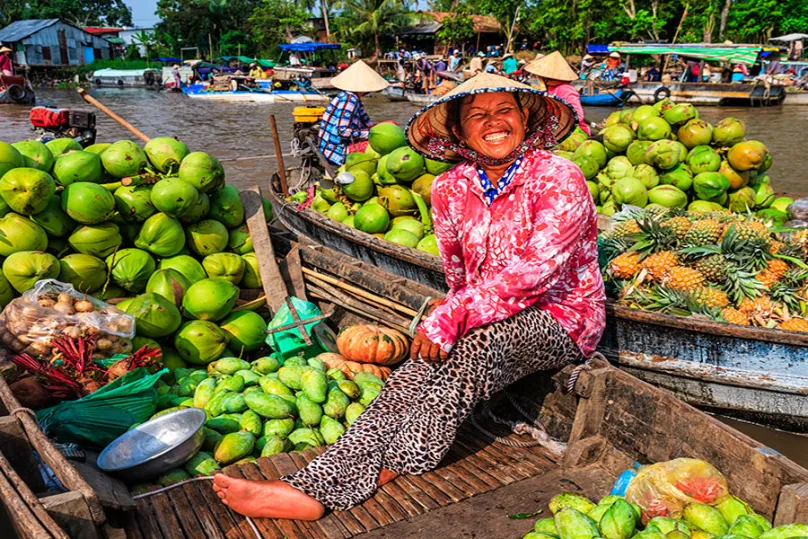
- Cai Rang Floating Market: Vietnam’s largest and most authentic floating market, operating from 5:00 AM to around 11:00 AM daily. For the most authentic experience, arrive before 7:00 AM when wholesale trading between boats is at its peak. The market spans approximately 1 kilometer along the Can Tho River, with over 350 boats gathering daily.
- Binh Thuy Ancient House: This 150-year-old French-Vietnamese architectural marvel preserves the elegant lifestyle of the Delta’s wealthy merchant families. The 6,000-square-meter property features original furnishings and a spectacular garden with rare orchids.
- Bang Lang Stork Sanctuary: Home to over 100,000 storks and other water birds across its 13-hectare sanctuary. The best viewing times are 5:30-7:00 AM and 4:00-6:00 PM when birds return from feeding.
- Ninh Kieu Wharf: The 7,000-square-meter waterfront promenade becomes especially lively after 5:00 PM with food stalls, performance artists, and spectacular sunset views.
2026 Update: The newly completed Can Tho Culture Center near Ninh Kieu Wharf will host regular traditional music performances every weekend, offering travelers insight into southern Vietnamese folk traditions.
Ben Tre: The Coconut Kingdom
Just 86 kilometers from Ho Chi Minh City, Ben Tre offers the most accessible authentic Delta experience:
- Coconut Workshops: Visit traditional factories producing everything from coconut candy to activated charcoal. The Tuong Coconut Candy Workshop allows visitors to participate in the candy-making process.
- Phoenix Island: This fascinating 24-hectare islet was once home to the eccentric Coconut Monk and his followers who created a unique religion blending Buddhism, Christianity, and local beliefs. The colorful temple complex features bizarre statues and architecture.
- Ham Luong River Cruise: Navigate the 70-kilometer-long Ham Luong branch of the Mekong on traditional sampan boats, exploring narrow canals where waterfront life unfolds authentically.
- Phung Islet: This 45-hectare ecological area offers bicycle tours through fruit orchards growing 32 different tropical varieties depending on the season.
2026 Highlight: The new Ben Tre Craft Village Center will showcase 15 traditional Delta crafts with interactive workshops where visitors can learn techniques directly from master artisans.
Chau Doc: Multicultural Border Town
Positioned near the Cambodian border, Chau Doc showcases the Delta’s cultural diversity:
- Sam Mountain: Rising dramatically 230 meters above the otherwise flat Delta, this sacred hill offers panoramic views across to Cambodia. The mountain hosts 20 pagodas and temples, including the ornate Ba Chua Xu Temple dating to 1820.
- Tra Su Cajuput Forest: This 850-hectare flooded forest creates a mystical ecosystem with towering cajuput trees rising from the water. Special flat-bottomed boats navigate through green water carpeted with water lilies. The forest is home to 70+ bird species, including storks and egrets.
- Floating Villages: Chau Doc’s river hosts distinctive floating communities of ethnic Cham and Vietnamese families living on 400+ houseboats, many operating fish farms beneath their homes.
- Chau Doc Market: This sprawling riverside market spans four city blocks and specializes in unique border-region products including Khmer spices, fermented fish products, and traditional textiles.
2026 Insight: The enhanced speedboat service between Chau Doc and Phnom Penh now operates daily with improved vessels making the journey in just 4 hours, allowing for seamless cross-border exploration.
Dong Thap: Lotus Land
For nature enthusiasts, Dong Thap province offers extraordinary ecological experiences:
- Thap Muoi Lotus Fields: Vietnam’s largest lotus growing region spanning 200+ hectares transforms into a sea of pink blooms from May through October. In 2026, a new elevated boardwalk will allow visitors to walk amidst the flowers without disturbing them.
- Tram Chim National Park: This 7,313-hectare wetland reserve recreates the original flood-plain ecosystem of the Delta. It’s home to 231 bird species including the endangered Eastern Sarus Crane. The park features a 12-kilometer boat route through different habitats.
- Xeo Quyt Ecological Zone: This 20-hectare preserved Viet Cong base showcases how revolutionary forces utilized the Delta’s challenging terrain. Narrow sampan boats navigate through dense melaleuca forests to reveal former underground meeting rooms and hospitals.
- Lai Vung Mandarin Orange Orchards: Covering 1,200 hectares, these famous orchards produce Vietnam’s premium citrus fruit. Visitors can cycle through the groves and participate in harvesting from November through January.
2026 Special Event: The expanded Dong Thap Lotus Festival (June 15-20, 2026) will feature lotus-inspired cuisine, fashion shows, and night-time illuminated boat parades through blooming lotus fields.
Sa Dec: The Garden City
Made famous by Marguerite Duras’ novel “The Lover,” Sa Dec offers a perfect blend of colonial architecture and horticultural splendor:
- Huynh Thuy Le Ancient House: The actual home of Duras’ Chinese lover, this exquisite 1895 residence combines French and Chinese architectural elements. The 258-square-meter property has been preserved with original furnishings and photographs.
- Sa Dec Flower Village: Vietnam’s largest flower-growing region spans 600+ hectares with over 2,000 varieties of ornamental plants. The village supplies flowers throughout southern Vietnam, with peak blooming from December through February before Tet.
- Tân Quy Đông Church: This striking pink Gothic church dating from 1876 features remarkable 19th-century stained glass imported from France.
- Sa Dec Market: The bustling 3,000-square-meter riverside market specializes in unique Delta specialties, including Sa Dec’s famous noodles and preserved roses.
2026 Development: A new “Lovers’ Walk” along the Sa Dec riverfront will connect historical sites related to the Duras story with informative plaques and period photographs.
For travelers with limited time who still want to experience the Delta’s essence, consider the 4-day Ho Chi Minh to Mekong Delta River tour, which efficiently combines city exploration with Delta highlights.
10 Authentic Experiences in the Mekong Delta for 2026
1. Navigate the Dawn Floating Markets
Experience the authentic pulse of Delta commerce by setting out before sunrise (around 5:00 AM) on a small boat to witness wholesale trading between farmers and merchants:
- Cai Rang (Can Tho): The largest and most photographed market with 350+ boats
- Phong Dien (Can Tho): Smaller, more authentic market with fewer tourists
- Cai Be (Tien Giang): Picturesque market with boats displaying produce on long poles
- Tra On (Vinh Long): Off-the-beaten-path market primarily used by locals
The most immersive experience comes from staying overnight in Can Tho and departing around 5:30 AM to reach markets at peak activity. Arrange for a small sampan boat rather than a larger tourist vessel to navigate narrow channels between vendor boats.
2026 Insider Tip: New regulations in 2026 will require larger tourist boats to remain on the periphery of markets, making small sampan transfers essential for authentic interaction with vendors.
2. Cycle Through Orchard Islands
The Delta’s numerous islets are perfect for cycling explorations through fruit orchards and village life:
- Tan Phong Island (Vinh Long): A 15-kilometer cycling route passes through mangosteen, rambutan, and durian orchards
- An Binh Island (Vinh Long): Famous for its 300-year-old fruit varieties and ancient homes
- Thoi Son Island (My Tho): Well-developed tourist infrastructure with dedicated cycling paths
- Cu Lao May (Ben Tre): Off-the-beaten-path island with minimal tourism and authentic rural life
Most homestays and guesthouses provide bicycles for guests, often at no additional charge. The ideal cycling time is early morning (6:00-9:00 AM) or late afternoon (3:30-5:30 PM) to avoid midday heat.
2026 Enhancement: New signposted “Heritage Cycling Routes” are being developed across Delta islands, highlighting historical sites, traditional craft workshops, and exceptional viewpoints.
3. Experience a Delta Homestay
Immerse yourself in local life by staying with families in traditional wooden houses:
- Mekong Rustic (Cai Be): Eco-friendly homestay with 8 rooms in a fruit orchard
- Nguyen Shack (Can Tho): Bamboo bungalows built on stilts over water
- Ut Trinh Homestay (Ben Tre): 100-year-old wooden house run by three generations of the same family
- Ba Duc Ancient House (Vinh Long): Heritage house offering just 4 rooms in a 150-year-old property
Authentic homestays typically include family-style meals, cultural activities, and opportunities to participate in daily chores like fishing, farming, or cooking.
2026 Standards: The newly implemented “Authentic Mekong Homestay” certification ensures properties meet both comfort standards and cultural authenticity, with certified locations indicated on official tourism maps.
4. Take a Deep-Delta Multi-Day Cruise
For a comprehensive Delta experience, multi-day cruises offer unparalleled access to remote regions:
- Bassac Cruises: Traditional wooden boats accommodating 12-24 passengers on 2-3 day journeys
- Mekong Eyes: Converted rice barges with private cabins exploring lesser-known canals
- Le Cochinchine: Luxury vessels reaching remote areas near the Cambodian border
- Mekong Queen: New for 2026, this boutique 8-cabin vessel specializes in photographic expeditions
These cruises typically include stops at villages inaccessible by road, night mooring in tranquil waterways, and excursions to craft workshops and temples.
2026 Cruise Innovation: Several operators now offer specialized “Deep Delta” itineraries that avoid popular tourist areas entirely, focusing instead on remote tributaries and authentic cultural interactions in seldom-visited communities.
5. Join a Cooking Class with Garden Harvesting
Delta cooking classes are distinctive for their “farm-to-table” approach:
- The Greenhouse (Can Tho): Cook in an open-air kitchen surrounded by the ingredients you’ll use
- Ba Duc Homestay Kitchen (Vinh Long): Learn family recipes passed down through generations
- Mango Home Riverside (Ben Tre): Specialize in coconut-based cuisine unique to the region
- Nam Bo Boutique Hotel Cooking School (Can Tho): Focus on refined Delta cuisine with French influences
The best classes include market visits, garden harvesting, and instruction in specialized techniques like rice paper making or coconut candy production.
2026 Culinary Focus: Several cooking schools have developed special programs highlighting the Delta’s heritage vegetables and fruits, including many varieties being revived through seed preservation programs.
6. Explore Night Markets and Street Food
Evening food adventures showcase the Delta’s culinary diversity:
- Ninh Kieu Night Market (Can Tho): 500+ meters of food stalls along the waterfront
- Chau Doc Night Market: Specializing in Khmer and Cham influenced dishes
- Sa Dec Food Street: Famous for flower-infused cuisine and heritage recipes
- Long Xuyen Floating Night Market: The Delta’s only evening floating market, operating Friday-Sunday
For the most authentic experience, look for places packed with locals rather than those catering to tourists.
2026 Food Trend: New “Delta Fusion” cuisine combining traditional ingredients with contemporary techniques is emerging in urban centers, particularly in Can Tho’s riverside restaurants.
7. Visit Traditional Craft Villages
The Delta preserves numerous traditional crafts in specialized villages:
- Tan Phu Dong (Sa Dec): Renowned for handwoven sedge mats using techniques unchanged for centuries
- Phu My Straw Weaving Village (Dong Thap): Creates intricate handicrafts from rice straw
- Long Dinh Clay Pottery Village (Vinh Long): Produces unglazed terracotta using traditional kilns
- Cai Be Rice Paper Making Village (Tien Giang): Demonstrates the labor-intensive process of making Vietnam’s essential food wrapper
Many villages offer workshops where visitors can try techniques under the guidance of master artisans.
2026 Craft Preservation: A new “Living Heritage” program provides financial support to master craftspeople who accept apprentices, ensuring endangered techniques are passed to the next generation.
8. Discover Hidden Religious Sites
The Delta’s spiritual landscape reflects its cultural diversity:
- Vinh Trang Pagoda (My Tho): Sprawling 2-hectare complex blending Vietnamese, Khmer, Chinese and European architectural elements
- Phuoc Dien Tu (Bat Pagoda, Soc Trang): Home to thousands of bats living in the pagoda’s fruit trees, considered sacred by local Khmer people
- Ong Temple (Can Tho): 19th-century Chinese temple with elaborate ceramic roof decorations
- Hang Pagoda (Tra Vinh): Built into a natural limestone cave with 150+ Buddha statues
For respectful visits, dress modestly covering shoulders and knees, and always ask permission before photographing religious ceremonies.
2026 Spiritual Tourism: Several pagodas now offer meditation retreats designed specifically for international visitors, with English-speaking monks providing instruction in Vietnamese Buddhist practices.
9. Witness Sunrise on the Mekong
Experiencing daybreak on the river provides magical photographic opportunities and insights into the rhythm of Delta life:
- Phong Dien Area (Can Tho): Capture boats heading to morning markets through misty canals
- Con Phung (Ben Tre): Watch fishermen casting nets as the sun illuminates coconut groves
- Cồn Sơn Islet (Can Tho): Observe riverside communities coming to life with minimal tourism
- Tram Chim National Park (Dong Thap): Photograph birds beginning their morning feeding against dramatic skies
Most quality hotels and homestays can arrange pre-dawn boat departures with experienced drivers familiar with the best vantage points.
2026 Photography Opportunity: The newly established “Mekong Heritage” foundation has identified and mapped 15 exceptional sunrise viewpoints throughout the Delta, with several featuring newly constructed observation platforms.
10. Engage in Community-Based Tourism
Support sustainable development by participating in community tourism initiatives:
- Hong Ngu Lotus Community (Dong Thap): Learn lotus harvesting and processing techniques from farming families
- Cham Village Homestays (An Giang): Experience the distinctive culture of Vietnam’s Muslim minority
- Cai Rang Market Boat Tour Cooperative: Boating tours operated entirely by former market vendors
- Vinh Long Orchard Farmers Association: Fruit-farming experiences where profits directly support agricultural communities
These experiences typically provide deeper cultural exchange than conventional tours while ensuring tourism benefits reach local people directly.
2026 Sustainability Initiative: A new certification system identifies community tourism projects meeting rigorous standards for environmental practices, fair compensation, and cultural authenticity.
For travelers seeking to combine Mekong Delta exploration with Vietnam’s other highlights, the comprehensive 10-day Vietnam tour offers an excellent option, connecting the Delta with central and northern destinations.
Transportation Options in the Mekong Delta for 2026
Getting to the Mekong Delta
Several transportation options connect the Delta with Ho Chi Minh City and other parts of Vietnam:
- By Air: Can Tho International Airport (VCA) offers daily flights from Hanoi (2 hours), Da Nang (1.5 hours), and Phu Quoc (50 minutes). In 2026, new direct flights from Bangkok and Kuala Lumpur are scheduled to begin operations.
- By Bus: Express buses connect Ho Chi Minh City with major Delta cities:
- To My Tho: 2 hours, 70 km, departures every 30 minutes from Mien Tay Bus Station
- To Can Tho: 3.5 hours, 170 km, hourly departures from 5:00 AM to 5:00 PM
- To Chau Doc: 5-6 hours, 240 km, 6 daily departures with premium sleeper options
- By Private Car: Hire services from Ho Chi Minh City cost approximately $60-100 for a day trip to My Tho/Ben Tre or $120-160 for Can Tho (one-way), with the advantage of stops at points of interest en route.
- By Boat: The Speedboat from Ho Chi Minh City to Can Tho (3.5 hours) offers a scenic journey along the main branches of the Mekong. For 2026, a new luxury day cruise service will operate between Ho Chi Minh City and Ben Tre with onboard dining.
- By Train: While no direct rail service exists to Delta cities, the reconnected Saigon–Mỹ Tho heritage railway line is scheduled to resume limited weekend tourist service in late 2026, offering a nostalgic journey on restored carriages.
Getting Around the Mekong Delta
Moving between and within Delta provinces offers unique transportation experiences:
- Boats and Ferries: The most authentic way to experience the Delta, with options including:
- Public ferries connecting major centers (very affordable but limited schedules)
- Tourist boat services (priced by hour or day, typically $15-25/hour)
- Private sampan hires for canal exploration ($10-15/hour)
- New inter-provincial ferry services connecting Can Tho, Vinh Long, and Ben Tre
- Motorbike Rentals: Available in all major towns (approximately $8-12/day), offering flexibility for independent travelers comfortable with Vietnamese road conditions.
- Bicycle Rentals: Perfect for exploring flat Delta roads and villages, typically $2-5/day from guesthouses and tourist centers.
- Local Buses: Connect all provincial capitals and major towns, with fares based on distance (approximately $0.50-3 per journey). While inexpensive, they require patience and basic Vietnamese language skills.
- Ride-Hailing Apps: Grab and Be services now operate in Can Tho, Long Xuyen, and Chau Doc, offering convenient point-to-point transportation within city limits.
2026 Transportation Innovation: The new “Mekong Explorer Pass” provides unlimited travel on participating boats, buses and ferries throughout the Delta for periods of 3, 5, or 7 days, with an integrated smartphone app showing real-time departure information.
Recommended Mekong Delta Itineraries for 2026
3-Day Essential Mekong Experience
Day 1: Ho Chi Minh City to Ben Tre
- Morning departure from Ho Chi Minh City (7:30 AM)
- Arrive Ben Tre by 10:00 AM
- Cruise Ham Luong River and narrow canals (2 hours)
- Lunch at a riverside restaurant specializing in elephant ear fish
- Visit Phoenix Island and coconut candy workshop
- Afternoon cycling through fruit orchards (6 km route)
- Overnight at traditional homestay with cooking demonstration
Day 2: Ben Tre to Can Tho
- Morning visit to Ben Tre market
- Travel to Vinh Long (1.5 hours)
- Explore An Binh Island by sampan boat
- Lunch featuring Delta specialties in a garden setting
- Afternoon transfer to Can Tho (2 hours)
- Evening street food tour in Can Tho
- Overnight in Can Tho city center
Day 3: Can Tho Exploration and Return
- Early morning departure (5:30 AM) for Cai Rang Floating Market
- Breakfast aboard boat with noodles purchased from floating vendors
- Visit fruit orchard and rice noodle workshop
- Lunch at Binh Thuy Ancient House
- Afternoon return to Ho Chi Minh City, arriving by 6:00 PM
5-Day Deep Delta Immersion
Day 1: Ho Chi Minh City to My Tho/Ben Tre
- Morning departure from Ho Chi Minh City
- Explore Vinh Trang Pagoda in My Tho
- Boat trip to island villages with honey tea tasting
- Afternoon transfer to Ben Tre
- Evening cooking class at homestay
- Overnight in Ben Tre
Day 2: Ben Tre to Tra Vinh
- Morning visit to Ben Tre market and brick kilns
- Transfer to Tra Vinh province (2 hours)
- Explore Khmer culture at Ang Pagoda
- Lunch featuring Khmer specialties
- Afternoon visit to Tra Vinh Coconut Forest
- Evening cultural performance (if available)
- Overnight in Tra Vinh City
Day 3: Tra Vinh to Can Tho
- Morning visit to Ba Om Pond and Khmer Cultural Museum
- Transfer to Soc Trang to see Bat Pagoda
- Afternoon journey to Can Tho (2.5 hours)
- Evening visit to Ninh Kieu Wharf night market
- Overnight in Can Tho
Day 4: Can Tho Exploration
- Dawn visit to Cai Rang and Phong Dien floating markets
- Late breakfast at riverside café
- Visit Bang Lang Stork Garden
- Afternoon sampan trip through narrow canals
- Evening food tour with local guide
- Overnight in Can Tho
Day 5: Can Tho to Chau Doc
- Morning visit to Binh Thuy Ancient House
- Travel to Chau Doc (3 hours)
- Lunch at Muslim Cham village
- Afternoon exploration of Sam Mountain
- Visit to floating fish farms
- Evening return to Ho Chi Minh City or overnight in Chau Doc
7-Day Comprehensive Delta Circuit
Day 1: Ho Chi Minh City to My Tho/Ben Tre
- As per 5-day itinerary
Day 2: Ben Tre to Sa Dec
- Morning exploration of Ben Tre waterways
- Transfer to Sa Dec (3 hours)
- Visit Huynh Thuy Le Ancient House
- Tour Sa Dec Flower Village
- Evening walk through Sa Dec old quarter
- Overnight in Sa Dec
Day 3: Sa Dec to Dong Thap
- Morning visit to Sa Dec Market
- Transfer to Dong Thap
- Explore Xeo Quyt Ecological Zone
- Afternoon visit to Tram Chim National Park
- Evening transfer to Cao Lanh city
- Overnight in Cao Lanh
Day 4: Dong Thap to Long Xuyen
- Morning visit to Lotus Fields (seasonal)
- Travel to Long Xuyen (2 hours)
- Visit Long Xuyen Floating Market
- Afternoon exploration of Ong Ho Island
- Evening food tour of Long Xuyen specialties
- Overnight in Long Xuyen
Day 5: Long Xuyen to Chau Doc
- Morning visit to Long Xuyen crocodile farm
- Travel to Chau Doc (1.5 hours)
- Visit Tra Su Cajuput Forest
- Afternoon exploration of Sam Mountain temples
- Evening boat trip to floating villages
- Overnight in Chau Doc
Day 6: Chau Doc to Can Tho
- Morning market visit in Chau Doc
- Travel to Can Tho (3.5 hours)
- Afternoon sampan trip through small canals
- Evening leisure time at Ninh Kieu Wharf
- Overnight in Can Tho
Day 7: Can Tho and Return
- Early morning Cai Rang Floating Market
- Visit fruit orchard and rural homesteads
- Afternoon return to Ho Chi Minh City
2026 Itinerary Enhancement: All recommended routes now include at least one community-based tourism activity, ensuring direct economic benefits to local communities while providing deeper cultural insights for travelers.
Where to Stay: Mekong Delta Accommodation Guide 2026
The Mekong Delta offers diverse accommodation options ranging from authentic homestays to luxury resorts:
Luxury Options ($100-300+ per night)
- Azerai Can Tho (Can Tho): This 60-room luxury retreat sits on a private 8-hectare islet accessible only by boat. Rooms range from 35-80 square meters with private terraces overlooking river views or tropical gardens. The property features a 31-meter infinity pool and spa specializing in traditional Vietnamese treatments.
- Victoria Chau Doc Hotel (Chau Doc): Colonial-style property with 92 rooms offering views of the Bassac River, Sam Mountain, or the city. The hotel’s distinctive feature is its floating massage pavilions and guided sampan excursions to neighboring floating villages.
- The Island Lodge (My Tho): Boutique French-owned property with just 12 rooms on Unicorn Island. Each 45-square-meter room features private terraces with hammocks overlooking the Mekong. The property includes a 25-meter infinity pool and excellent French-Vietnamese fusion restaurant.
- Mango Home Riverside (Ben Tre): Luxury homestay concept with 16 individual bungalows set in a 2-hectare tropical garden along the Ham Luong River. Each 40-square-meter bungalow features outdoor bathtubs and private terraces.
Mid-Range Options ($50-100 per night)
- Nam Bo Boutique Hotel (Can Tho): Stylish colonial-inspired hotel with 16 rooms in central Can Tho. The rooftop restaurant offers panoramic views of the Mekong while rooms feature tasteful antique furnishings.
- Nguyen Shack (Can Tho): Eco-friendly bamboo bungalows built on stilts over water canals. The 14 rustic-luxe rooms blend traditional materials with modern comforts. Located 12 kilometers outside Can Tho in a peaceful rural setting.
- Coco Riverside Lodge (Ben Tre): Set amid 2 hectares of coconut groves with 18 bungalows built in traditional Delta style with modern amenities. Each 32-square-meter room features outdoor shower gardens.
- Ba Duc Ancient House (Vinh Long): Heritage property offering just 4 guest rooms in a 150-year-old wooden house. The immaculately preserved home features original furnishings and an extensive tropical garden.
Budget-Friendly Options ($20-50 per night)
- West Hotel (Can Tho): Modern 30-room hotel with excellent location near Ninh Kieu Wharf. Clean, efficient rooms ranging from 18-25 square meters with city views.
- Mekong Space Hostel (Can Tho): Designer hostel offering both dormitory and private rooms with contemporary styling. The rooftop bar has become a social hub for independent travelers.
- Hung Vuong Hotel (Ben Tre): Simple but clean 24-room hotel with friendly English-speaking staff and central location near Ben Tre market.
- Vinh Long Homestay Network: Collection of family homes offering basic but authentic accommodation with meals included, typically $25-35 per night including activities.
Authentic Homestays ($20-40 per night)
- Mekong Rustic (Cai Be): Eco-friendly homestay with 8 rooms in traditional wooden houses amid a fruit orchard. Activities include farming demonstrations and cooking classes.
- Ba Linh Homestay (Ben Tre): Family-run property with 6 rooms in a traditional Delta house. Guests can participate in farming activities and enjoy home-cooked meals with the family.
- Ut Trinh Homestay (Vinh Long): 100-year-old wooden house run by three generations of the same family. The 5 guest rooms feature traditional furnishings with shared bathroom facilities.
- Nguyen Thanh Homestay (Can Tho): Located 12 kilometers outside Can Tho in a peaceful farming community, this authentic family home offers just 4 guest rooms and specializes in traditional Delta cuisine.
2026 Accommodation Trend: Several historic properties throughout the Delta are being sensitively converted into boutique accommodations under the “Mekong Heritage Stay” program, preserving architectural history while providing authentic experiences in buildings of cultural significance.
Local Cuisine: 12 Must-Try Mekong Delta Dishes
The Mekong Delta’s cuisine reflects its agricultural abundance and cultural diversity:
1. Bún Cá (Fish Noodle Soup)
This Can Tho specialty features rice vermicelli in a sweet-savory broth made from snakehead fish, topped with chunks of fish, fresh herbs, and crispy onions. The best versions are found at Bún Cá Nhà Trơn (25 Hai Bà Trưng, Can Tho), where the family has been perfecting their recipe for three generations.
2. Cá Lóc Nướng Trui (Grilled Snakehead Fish)
The Delta’s signature fish is wrapped in banana leaves and grilled over rice straw, giving it a distinctive smoky flavor. The 250-300 gram fish is typically served with rice paper, herbs, and fermented fish dipping sauce. Try it at Quán Ăn Ngon Sông Nước in Long Xuyen, where fish are caught daily from their own ponds.
3. Hủ Tiếu Mỹ Tho (My Tho Noodle Soup)
This distinctive clear noodle soup originates from My Tho and features glass noodles in a pork bone broth with seafood, sliced pork, and bean sprouts. The acclaimed Hủ Tiếu Mỹ Tho Thanh Xuân (24 Đinh Bộ Lĩnh, My Tho) has been serving their family recipe since 1925.
4. Bánh Xèo (Sizzling Pancake)
The Delta version of this crispy rice flour pancake is larger (often 25-30 cm in diameter) and stuffier than in other regions, filled with pork, shrimp, bean sprouts, and mung beans. Wrap it in rice paper with fresh herbs for the authentic experience. Bánh Xèo 7 Tới in Can Tho is famous for their perfectly crisp versions.
5. Lẩu Mắm (Fermented Fish Hot Pot)
This distinctive hot pot uses fermented fish paste as its base, creating a pungent but addictive flavor. The bubbling cauldron comes with fish, squid, shrimp, and abundant fresh vegetables. At Lẩu Mắm Út Dzách in Long Xuyen, they age their fermented fish for a minimum of 12 months for depth of flavor.
6. Chuột Đồng Quay (Roasted Field Rat)
Don’t be alarmed—these are clean rice-field rats (not urban rodents) considered a delicacy in the Delta. They’re marinated with garlic, lemongrass, and fish sauce before being grilled over charcoal. For the adventurous, try it at countryside restaurants around Đồng Tháp province.
7. Bánh Pía (Durian-Bean Pastry)
This Soc Trang specialty reflects Chinese influence in the Delta. The flaky pastry contains mung bean paste and often durian, with a salted egg yolk center. The best versions come from Tân Huê Viên bakery in Soc Trang, where they’ve been making them for over 70 years.
8. Cơm Tấm (Broken Rice)
While popular throughout southern Vietnam, the Delta version typically comes with more locally sourced toppings like river fish, shrimp paste, and countryside pork. Cơm Tấm Sài Gòn Hạnh in Can Tho serves a particularly generous version with six distinctive toppings.
9. Bánh Công (Mung Bean Cakes)
These deep-fried savory cakes contain mung beans, pork, and whole shrimp. The crispy exterior gives way to a soft, flavorful interior. Find excellent versions at Bánh Công Cô Út near Cai Rang market, where they’ve used the same recipe since 1948.
10. Gỏi Khô Bò (Green Papaya and Beef Jerky Salad)
Shredded green papaya is tossed with Vietnamese coriander, homemade beef jerky, roasted peanuts, and a sweet-sour-spicy dressing. This refreshing dish perfectly balances the Delta’s tropical heat. Try it at Quán Ăn Ngon in Can Tho.
11. Bông Điên Điển Xào Tôm (Stir-fried Sesbania Flowers with Shrimp)
This seasonal dish appears during flooding season when yellow sesbania flowers bloom across the Delta. The flowers have a distinctive artichoke-like flavor that pairs perfectly with fresh river shrimp. Look for it at local restaurants from August through October.
12. Chè Bắp (Sweet Corn Pudding)
This beloved dessert combines sweet corn kernels with glutinous rice, coconut cream, and pandan essence. The best version can be found at Chè Cô Ba near Ninh Kieu Wharf, where they use a special variety of sweet corn grown in Đồng Tháp province.
2026 Culinary Development: The new “Mekong Gastronomy Trail” initiative documents and promotes 50 heritage dishes specific to the Delta region, with participating restaurants and street food vendors marked by distinctive signage indicating authentic preparation methods.
Practical Tips for Traveling the Mekong Delta in 2026
Essential Packing List
- Lightweight, quick-dry clothing: The Delta is consistently warm and humid
- Long-sleeved shirts and pants: For sun protection and evening mosquito defense
- Wide-brimmed hat and sunglasses: Essential for boat trips
- Quality insect repellent: Particularly important during rainy season
- Waterproof phone case/dry bag: Protect electronics during boat trips
- Comfortable walking shoes and sandals: For exploring villages
- Small denominations of Vietnamese Dong: Many rural areas don’t accept cards
- Portable battery pack: For recharging devices during long day trips
Health and Safety
- Drink bottled or purified water: Tap water isn’t potable throughout the Delta
- Apply sunscreen regularly: The tropical sun is intense, even on cloudy days
- Consider motion sickness prevention: If prone to seasickness, especially during rainy season when waters can be choppier
- Wear life jackets during boat trips: Always provided but insist on wearing one, particularly in smaller vessels
- Updated travel insurance: Ensure it covers river transportation and rural areas
- Basic first aid kit: Include rehydration salts, anti-diarrheal medication, and antihistamines
Communication and Connectivity
- Internet access: 4G coverage is extensive throughout the Delta, with 5G available in Can Tho and My Tho as of 2026
- eSIM options: Consider Vietnamese eSIMs from Viettel or Mobifone for affordable data
- Translation apps: Download Google Translate with Vietnamese language pack for offline use
- Useful phrases: Learn basic Vietnamese greetings and thank-you expressions
- Emergency numbers: Save 113 (Police), 114 (Fire), 115 (Ambulance), and your hotel/homestay contact
Money Matters
- ATM availability: Readily available in provincial capitals but limited in rural areas
- Cash preference: Many smaller establishments and markets only accept cash
- Tipping culture: Not traditionally expected but becoming more common in tourist areas (10% is generous)
- Bargaining etiquette: Expected at markets and with boat operators, but always maintain a friendly attitude
- Average costs (2026):
- Budget meals: 30,000-70,000 VND ($1.20-$2.80)
- Mid-range restaurant meals: 100,000-200,000 VND ($4-$8)
- Local beer: 20,000-40,000 VND ($0.80-$1.60)
- Short boat trips: 150,000-300,000 VND ($6-$12) per hour
- Budget accommodation: 300,000-700,000 VND ($12-$28) per night
- Mid-range hotels: 800,000-1,500,000 VND ($32-$60) per night
Cultural Considerations
- Dress modestly: When visiting religious sites, cover shoulders and knees
- Remove shoes: When entering homes, homestays, and some religious buildings
- Ask permission: Before photographing people, especially in rural communities
- Respect mealtimes: In homestays, meals are often communal events—be punctual
- Local customs: Accept offerings of tea when visiting homes (refusing can be considered impolite)
- Environmental awareness: Avoid single-use plastics and don’t throw anything into canals
2026 Travel Innovation: The new “Mekong Delta Travel Companion” mobile app combines offline maps, phrase translations, cultural etiquette tips, and emergency information specifically tailored to Delta travel.
FAQs about Traveling the Mekong Delta in 2026
How many days do I need to explore the Mekong Delta?
A minimum of 2-3 days is recommended to experience the essence of the Delta, including floating markets and village life. For a comprehensive exploration covering multiple provinces, 5-7 days is ideal. Day trips from Ho Chi Minh City are possible but only scratch the surface, typically only reaching My Tho or Ben Tre.
What is the best time of year to visit the Mekong Delta in 2026?
December to April offers the most reliable dry weather, making it ideal for sightseeing and boat trips. However, August to October (flood season) showcases the Delta at its most authentic, with lush landscapes and fewer tourists. According to climate projections for 2026, November may offer an excellent compromise with moderating temperatures and decreasing rainfall.
Is it safe to drink tap water in the Mekong Delta?
No, tap water throughout the Delta is not safe for drinking. Stick to bottled water, which is widely available. Better hotels provide complimentary drinking water, and many eco-conscious establishments now offer water refill stations to reduce plastic waste.
How do I get from Ho Chi Minh City to the Mekong Delta?
Multiple options exist:
- Public buses depart from Mien Tay Bus Station to all Delta provinces (cheapest option)
- Tourist buses offer direct hotel pickups with English-speaking guides
- Private car services provide flexibility for approximately $60-100 per day
- Speedboat services operate between Ho Chi Minh City and Can Tho
- Organized tours handle all transportation logistics
Are credit cards widely accepted in the Mekong Delta?
Credit card acceptance is limited to major hotels, restaurants, and tour agencies in larger cities like Can Tho and My Tho. Throughout rural areas and at markets, cash is essential. ATMs are available in all provincial capitals but can be scarce in remote districts.
Is English widely spoken in the Mekong Delta?
English proficiency varies significantly:
- Tourism professionals generally speak good English
- Homestay hosts typically have basic to intermediate English
- Market vendors and local people in rural areas generally speak little or no English
- Young people in cities often have moderate English skills
Having a translation app and learning a few basic Vietnamese phrases will significantly enhance your experience.
Is it worth taking an organized tour or better to explore independently?
This depends on your travel style:
- Organized tours offer convenience, cultural interpretation, and access to less accessible locations
- Independent travel provides flexibility and deeper immersion but requires more planning
- A hybrid approach works well for many: use guided tours for floating markets and specialized experiences, then explore towns independently
Are mosquitoes a problem in the Mekong Delta?
Mosquitoes are present year-round but are more numerous during rainy season (May-October). While the Delta has made significant progress in malaria eradication, dengue fever remains a concern. Use repellent containing DEET, particularly at dawn and dusk, and consider lightweight long sleeves and pants for evenings.
Can I travel from the Mekong Delta directly to Cambodia?
Yes, there are two main routes:
- Chau Doc to Phnom Penh: Daily speedboats make the journey in approximately 5 hours
- Ha Tien to Kampot/Sihanoukville: Land border crossing with bus connections
Both routes require a valid visa for Cambodia, which can be obtained in advance or at the border for most nationalities.
What should I pack specifically for a Mekong Delta trip?
Beyond standard travel items:
- Dry bag or waterproof phone case: Essential for boat trips
- Insect repellent and sunscreen: For protection in the tropical environment
- Light rain jacket or poncho: Even in dry season, brief showers occur
- Hat with secure strap: To prevent losing it during windy boat rides
- Quick-dry clothing: Humidity makes cotton slow to dry
- Comfortable footwear that can get wet: For village walks and boat transfers
2026 FAQ Update: With increasing focus on sustainable tourism, many operators now provide reusable water bottles and filtration systems. Ask about these options when booking to reduce plastic waste during your Delta journey.
Conclusion: Embracing the Authentic Mekong Delta in 2026
The Mekong Delta remains one of Vietnam’s most captivating destinations—a living waterscape where centuries-old traditions thrive alongside natural wonders. As we’ve explored throughout this comprehensive guide, the region offers experiences impossible to find elsewhere: from the hypnotic rhythm of floating markets at dawn to the warm hospitality of homestay hosts opening their wooden houses to curious travelers.
What makes the Delta particularly special in 2026 is its delicate balance between accessibility and authenticity. While infrastructure improvements have made the region more navigable than ever, much of the Delta’s charm lies in its unhurried pace and genuine cultural encounters that haven’t been overly commercialized.
Whether you’re floating through narrow canals draped in water coconut, cycling past endless rice paddies shimmering in golden light, or sampling exotic fruits straight from orchard branches, the Mekong Delta offers an immersive journey that engages all senses. It’s a place where you don’t merely observe Vietnamese culture but participate in its daily rhythms.
For travelers seeking more comprehensive Vietnam experiences, consider how the Delta fits into broader itineraries. The 10-day Vietnam tour offers an excellent opportunity to contrast the Delta’s waterways with the karst seascapes of Halong Bay and the cultural treasures of Hanoi and Hoi An.
As you plan your 2026 Mekong adventure, remember that the most memorable experiences often come from unplanned moments: spontaneous invitations to join a family meal, chance encounters with skilled artisans, or witnessing everyday river life unfold from a quiet sampan. Allow time in your itinerary for these serendipitous discoveries that transform a good trip into an unforgettable one.
The Mekong Delta isn’t just a destination to check off your list—it’s a living, breathing ecosystem of waterways, traditions, flavors, and smiles that rewards travelers who approach it with curiosity, respect, and openness. Come with an empty camera roll and a full heart, and leave with both transformed by the magic of Vietnam’s extraordinary river delta.
Contact Information
Website: vietnammarveltravel.com
Email: vietnammarveltravel@gmail.com
Phone: +84.978.358.422
WhatsApp: +84 978.358.422
Vietnam Marvel Travel – Your Gateway to Authentic Vietnam Experiences
Read Our Reviews: Check out genuine traveler experiences and ratings on Vietnam Marvel Travel Review on TripAdvisor to see why we’re the preferred choice for Vietnam adventures.